
The best Minecraft class for solo players is the Ranger-Engineer hybrid: use a bow for safe damage, shield-and-sword combat for emergencies, and villager trading plus compact farms for reliable gear and resources. Minecraft does not have official classes, so this is an optimized survival archetype rather than a selectable character role. It gives one player answers for caves, the Nether, raids, exploration, and the End without depending on teammates.
This recommendation is built for vanilla Minecraft Java Edition and Bedrock Edition, including current 1.21 survival mechanics. The core plan is simple: prioritize protection and mobility, establish a renewable food and iron supply, obtain Mending and Protection IV, then use ranged damage to control dangerous encounters. Players who want a completely different solo experience can specialize as a Miner, Builder, or Farmer, but the hybrid Ranger is the strongest all-purpose choice.
1. Ranger-Engineer: The Best Solo Class
The Ranger-Engineer ranks S-Tier because it covers Minecraft's most important solo weaknesses: limited healing, no teammate to revive you, and no second player to handle enemies while you build or mine. A bow lets you kill Creepers, Skeletons, Ghasts, Blazes, and the Ender Dragon from a controlled distance. The Engineer side supplies food, arrows, iron, XP, and replacement equipment through farms and villager trades.
Core equipment and priorities
- Weapon: Use a Power V, Unbreaking III, and Mending bow. Infinity is convenient, but Infinity and Mending cannot normally share the same bow, so Mending is better for long-term solo worlds. Carry a Power V crossbow with Quick Charge III and Multishot if you prefer burst damage and firework rockets.
- Melee backup: Use a diamond or netherite sword with Sharpness V, Looting III, Unbreaking III, and Mending. Sweeping Edge III is available on Java Edition and is excellent against groups; Bedrock players should rely more heavily on positioning and the shield.
- Armor: Full diamond armor should be the first major target, upgraded to netherite when Ancient Debris becomes practical. Put Protection IV, Unbreaking III, and Mending on every piece. Add Feather Falling IV to boots, Respiration III and Aqua Affinity to the helmet, and Depth Strider III to boots.
- Utility: Carry a shield, water bucket, crafting table, blocks, torches, a stack of food, a bed, and a spare pickaxe. A water bucket is both a fall-damage counter and a reliable defense against Endermen.
For detailed survival planning, the official Minecraft shield guide explains the item’s defensive role, while the Minecraft Wiki remains useful for checking enchantment compatibility and loot tables.
2. Early-Game Skill Path for a Solo Ranger
Your first in-game day should create safety rather than chase diamonds. Collect at least 20 logs, craft stone tools, and kill or breed enough animals for food. Make a shield immediately after mining three iron, then gather coal or create charcoal for torches. A bed prevents repeated night fights and lets you establish a respawn point before exploring.
First three progression checkpoints
- Day one: Build a temporary shelter near trees, water, and exposed stone. Smelt iron for a shield, bucket, pickaxe, and full iron armor. Plant wheat, carrots, or potatoes beside a water source.
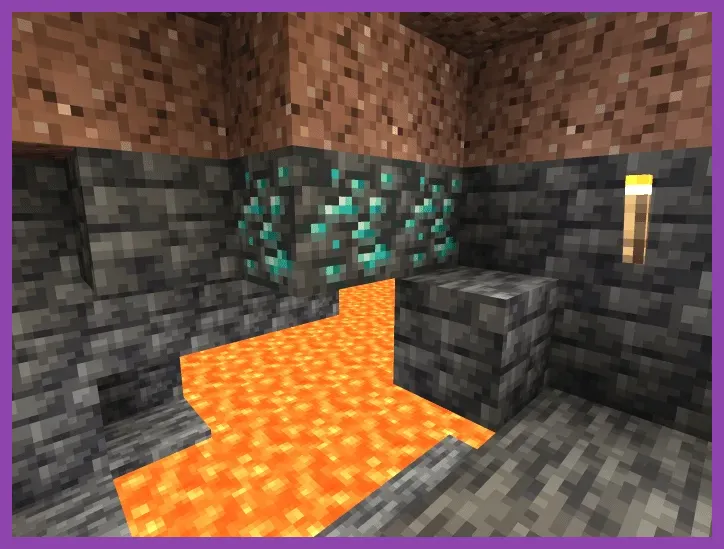
- First mining trip: Mine at Y=-54 to Y=-59 in the modern Overworld, where diamond ore is common, while keeping a water bucket ready for lava. Use an iron pickaxe or better; gold, stone, and wood cannot mine diamond ore.
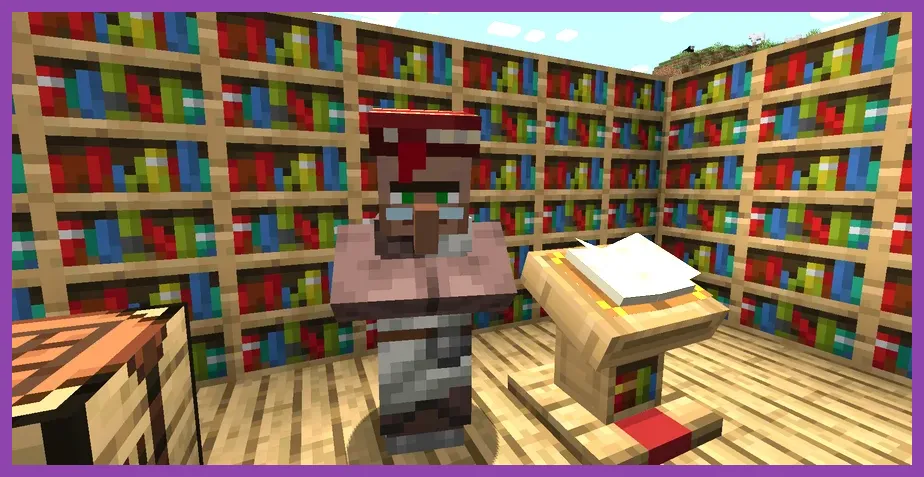
- First enchantment setup: Craft an enchanting table with four obsidian, two diamonds, and one book. Surround it with 15 bookshelves, leaving one air block between the table and shelves, to unlock level-30 enchantments. Keep a grindstone nearby for removing poor rolls.
Do not spend every early diamond on tools. A diamond pickaxe is essential for obsidian and a diamond sword improves safety, but diamond armor provides the largest survival increase. Your first enchantment targets should be Protection IV on chestplate and leggings, Feather Falling IV on boots, and Power IV or V on the bow.
Solo players benefit from studying threat patterns instead of trading hits. Raise the shield when approaching Skeletons, place two-block-high barriers against melee mobs, and never fight Creepers inside a narrow tunnel. If a cave becomes crowded, retreat behind a corner, block the entrance, and use a bow through a one-block opening. The Project Zomboid secret locations guide has a similar lesson for solo survival: map risk before entering it.
3. Villager Engineer: Your A-Tier Support Class
The Villager Engineer is an A-Tier specialization and the best upgrade to the Ranger after your first stable base. It is not as strong in the opening hours because transporting villagers and curing zombie villagers takes preparation, but it eventually removes much of Minecraft’s random loot dependence.
Trades worth targeting
- Librarian: Search for Mending, Protection IV, Unbreaking III, Sharpness V, Power V, and Feather Falling IV. Break and replace the lectern before trading if the first offer is poor, but lock a good trade by buying once.
- Armorer: Master-level armorers can sell diamond armor, reducing the need for repeated diamond mining. A blast furnace creates the profession.
- Toolsmith: Toolsmiths can provide diamond tools. Use a smithing table for the profession and keep a reliable source of emeralds nearby.
- Fletcher: Fletchers buy sticks for emeralds and sell arrows. A fletching table creates the profession, making excess wood and a tree farm useful.
Build the trading hall away from the main bedroom and keep villagers separated in one-block workstations. In Java Edition, curing a zombie villager can produce dramatic discounts, but recent game rules and difficulty settings affect whether villagers are reinfected. Do not rely on discounts until you have a safe conversion setup with a nametagged zombie, a splash Potion of Weakness, and a golden apple.
For the Engineer half of this class, start with a 9-by-9 wheat, carrot, or potato farm and a basic cow pen. Add an iron farm only after your village is secure. A single-player iron farm supplies iron for hoppers, rails, anvils, shields, and tools, but designs differ between Java and Bedrock. Check the official Minecraft survival information before copying a design that depends on edition-specific villager behavior.
4. Nether and Exploration Loadout
The Ranger-Engineer becomes especially valuable in the Nether, where a solo death can destroy hours of preparation. Before entering, carry a gold helmet or another gold armor piece to prevent standard Piglins from becoming hostile, plus a bow, shield, blocks, flint and steel, and at least one stack of cooked food. Never bring your only diamond pickaxe unless the portal room is secure.
Nether combat rotation
Against Blazes, place blocks between you and the fireball volley, peek only long enough to fire, and retreat when your shield or health becomes vulnerable. A bow with Power IV or V kills a Blaze efficiently, while a Potion of Fire Resistance turns missed fireballs and lava accidents from lethal mistakes into manageable problems. Against Ghasts, use the bow rather than attempting a risky fireball deflection over lava.
For Bastion Remnants, wear gold, block off corridors, and avoid opening multiple chests at once. Piglin Brutes ignore the gold armor rule and deal heavy melee damage, so fight them through a two-block doorway or from a protected height. Bring a stack of fire-resistant building blocks where possible; netherrack burns, while cobblestone and blackstone are safer defensive materials.
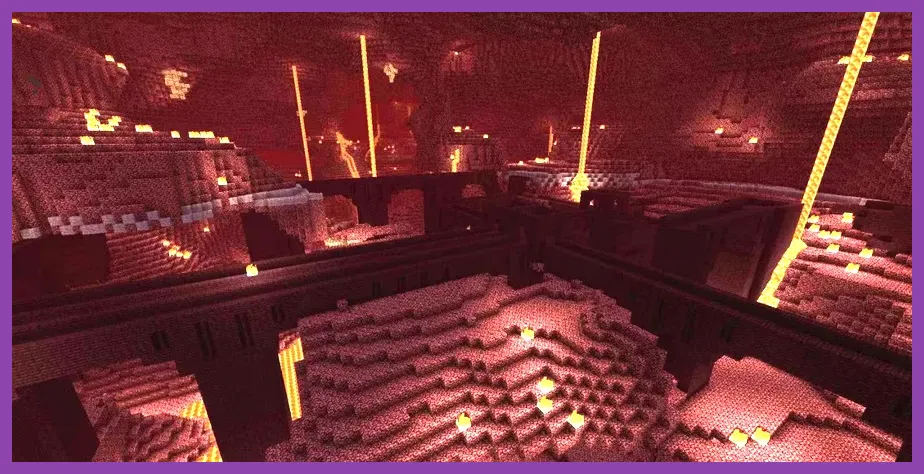
Once you find a Nether Fortress, collect Blaze Rods and Nether Wart, then craft a brewing stand. Your essential solo potions are Fire Resistance, Strength, Slow Falling, and Healing. A lodestone compass is not required, but writing portal coordinates in a book prevents expensive navigation errors. The Rust weapons tier list covers a different game, yet its solo loadout principle applies here: carry a reliable primary option, a close-range backup, and enough utility to recover from a bad engagement.
5. Why Miner, Builder, and Farmer Rank Lower

These are useful solo identities, but they are narrower than the hybrid Ranger. The Miner is A-Tier for players who enjoy branch mining and cave mapping. It reaches diamond gear quickly and supplies the blocks needed for a strong base, but mining alone does not solve ranged combat, food production, or Nether preparation. Add Fortune III to a diamond or netherite pickaxe, Silk Touch to a second pickaxe, and Efficiency V to make the specialization efficient.
The Farmer is B-Tier as a primary class. A villager crop farm, cow breeder, and sugar-cane field create excellent food and trading materials, but farming does not provide immediate answers to Skeletons, raids, or the Ender Dragon. Prioritize a farmer villager, a composter, and a 9-by-9 irrigated plot, then support the build with a Fletcher for emeralds and arrows.
The Builder is B-Tier for progression. A builder can create a safer base with lighting, walls, water channels, and storage, but decorative construction does not increase combat power. The strongest solo builders still need the Ranger’s bow, shield, and enchantments before working in dangerous biomes. A secure base should include a bed, respawn anchor only in the Nether, an enclosed portal, labeled chests, and a backup gear set.
6. Solo Ender Dragon Build and Final Verdict
Before entering the End, bring full Protection IV diamond or netherite armor, a Power V bow, at least 128 arrows unless using Infinity, a Sharpness V sword, water bucket, building blocks, 16 to 20 cooked foods, a carved pumpkin if Endermen cause problems, and two Slow Falling potions. Carry a bed only as a deliberate dragon-bombing tool; it explodes in the End and can kill an unprepared player.
Dragon fight rotation
- Destroy exposed end crystals with your bow. For caged crystals, build up using blocks, break the iron bars, and retreat before the explosion.
- Keep the crosshair moving upward while the dragon circles. Shoot when its head and wings are visible, but do not stand directly beneath a perch.
- When the dragon lands at the central fountain, use the sword on its head and neck, then move away before the takeoff knockback. Never attack the wings from the edge of the fountain.
- Use Slow Falling after a launch or accidental knockback. Water handles Endermen but does not stop the dragon, so place it as an emergency escape zone rather than a permanent arena strategy.
That preparation confirms the final ranking: the Ranger-Engineer is S-Tier, the Miner and dedicated Villager Engineer are A-Tier, and the Farmer and Builder are B-Tier as standalone choices. Start with the Ranger’s shield, bow, and armor priorities, then add villager trading and automation once your base is secure. It is the most dependable answer to Minecraft best class for solo players because it combines safe damage, renewable resources, and enough flexibility to survive every major stage of a vanilla world.
For more solo-focused planning, compare this approach with Steamoz’s best solo player class guide for Satisfactory and the RimWorld endgame base guide. Both reinforce the same rule: solo progression is strongest when combat readiness and resource automation advance together.