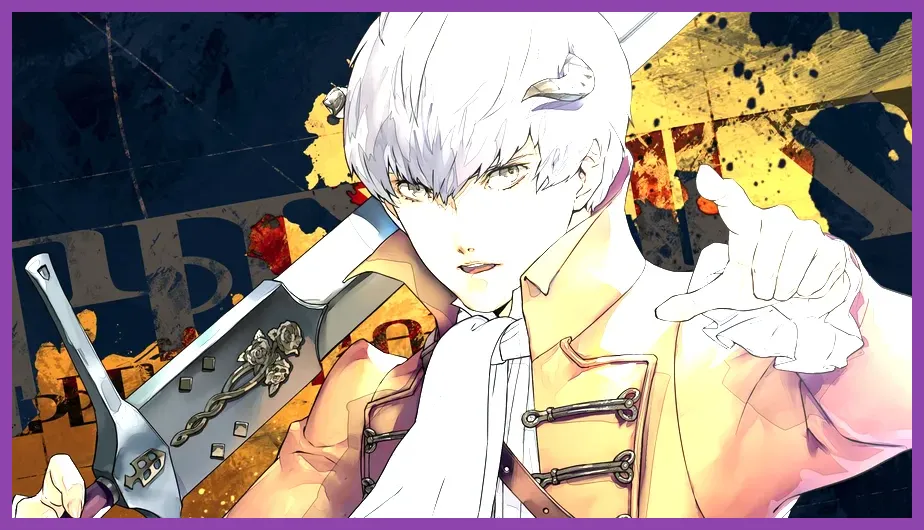
The best Metaphor ReFantazio weapons in 2026 are the Dragon Trial rewards and the strongest Royal Archetype weapons. Dragon’s Judgement is the top general-purpose choice for the protagonist, Balmung is Strohl’s standout physical weapon, Gae Bolg is the premier spear for Hulkenberg, and late-game unique weapons for Heismay, Junah, Eupha, and Basilio complete the S-Tier group. Their value comes from high attack, excellent scaling, and synergy with Royal Archetype skills rather than raw shop damage alone.
This tier list ranks weapons for a completed or near-completed playthrough, while also explaining which upgrades are worth buying during the campaign. Weapon strength changes considerably depending on whether a character is using Warrior, Magic Seeker, Royal Knight, Trickster, Persona Master, Summoner, or another inherited build. For general progression advice, pair this list with Steamoz’s Metaphor ReFantazio beginner tips.
Metaphor ReFantazio Weapon Tier List

S-Tier: Endgame and Royal Archetype weapons
- Dragon’s Judgement — Protagonist: The best overall sword for the Prince. It supports the protagonist’s high-end physical and hybrid damage and is particularly effective when Royal Sword skills are combined with charge, synthesis, or party buffs.
- Balmung — Strohl: The defining greatsword for Strohl’s Royal Warrior setup. Its high physical output makes Brave Blade, Slash of the Hero, and other strength-scaling attacks hit extremely hard after Charge or peerless party buffs.
- Gae Bolg — Hulkenberg: The strongest endgame lance for the Royal Knight. It suits Hulkenberg’s shield-based role while preserving enough damage to make synthesis attacks and Pierce-focused turns meaningful.
- Asterion — Heismay: A top-tier dagger for the Royal Thief. Heismay benefits from acting frequently, exploiting weaknesses, and applying utility, so a fast weapon with strong physical performance is more valuable than a slower weapon with slightly higher listed attack.
- Nirvana — Eupha: One of the best magical weapons for a Royal Summoner-focused Eupha. It complements elemental synthesis skills and lets her remain a serious damage dealer instead of functioning only as a support caster.
- Ultimate Royal weapons for Junah and Basilio: Junah’s best fan and Basilio’s best knuckle weapon belong in S-Tier when their Royal Archetypes are fully unlocked. Their value is highest in optimized teams where Junah amplifies damage and Basilio repeatedly exploits physical weaknesses.
A-Tier: Excellent campaign and pre-superboss weapons
- Hero’s Sword: A dependable protagonist weapon for the final stretch before Dragon Trial rewards. It is especially useful when the Prince is being played as a flexible physical attacker rather than a pure magic hybrid.
- High-end Warrior greatswords: Strohl’s best shop and chest weapons remain excellent until Balmung. Prioritize attack and strength scaling, but do not sacrifice a weapon that enables a needed damage type for a small number increase.
- High-end Royal Knight lances: Hulkenberg’s late-game lances are strong enough for the main story and work well with Knight’s Proclamation, Taunt, and defensive inheritance.
- Late-game mage staves and summoner weapons: These are A-Tier when a character’s damage is primarily magical. A staff that improves the relevant element or preserves MP efficiency can outperform a nominally stronger generic weapon across a long dungeon.
B-Tier: Strong progression choices
- Refined shop weapons: Weapons bought in Grand Trad, Martira, Port Brilehaven, Altabury Heights, and the late-game capital are perfectly serviceable while leveling archetypes and completing follower bonds.
- Purified weapons: Church purification can turn an ordinary weapon into a worthwhile temporary upgrade. The investment is best spent on a weapon used for several dungeons, not on gear that will be replaced immediately at the next town.
- Elemental and status weapons: These can jump above B-Tier in a specific encounter. A weakness-matching fire, ice, wind, or lightning weapon is often better than a stronger neutral weapon because exploiting a weakness grants extra Press Turn value.
Why Dragon Trial Rewards Rank Above Shop Weapons

Dragon Trial weapons occupy the top of the list because they are designed for the final combat curve rather than normal dungeon progression. Their advantage is not simply a larger attack number. They arrive when characters have their Royal Archetypes, maxed or near-maxed relevant stats, and a complete inheritance plan. That combination allows each weapon to reinforce a specific combat identity.
For the protagonist, Dragon’s Judgement is strongest when the Prince can switch between damage types without losing momentum. A typical setup uses a physical Royal Sword skill, a reliable elemental option inherited from a magic Archetype, and a support skill such as Heat Riser or a defense debuff supplied by another party member. The weapon therefore remains useful across bosses instead of being locked to one element.
Strohl’s Balmung is more specialized, but that specialization is an advantage. Strohl wants Strength, Charge, and a high-impact Slash turn. Use him as the team’s burst attacker, then spend remaining turns on synthesis attacks or inherited utility. Do not build Balmung Strohl around low-damage basic attacks; the weapon earns its S-Tier position when every Press Turn is converted into a meaningful physical hit.
Gae Bolg gives Hulkenberg a similar endgame ceiling while allowing her to keep her defensive identity. Open difficult fights with Knight’s Proclamation or a relevant taunt, protect fragile casters, and attack when the boss is exposed. Against enemies that punish direct physical contact, Hulkenberg should return to guarding and damage mitigation rather than competing with Strohl for every damage turn.
These weapons are associated with late-game challenge content, so they should not be treated as required campaign equipment. The main story can be completed with A-Tier weapons, sensible resistances, and correct weakness exploitation. The Dragon Trial rewards matter most for superboss attempts, New Game Plus routing, and players chasing the highest possible damage.
Best Weapons by Character and Archetype

Protagonist: Dragon’s Judgement
Dragon’s Judgement is the safest number-one recommendation because the protagonist has the broadest build access. The Prince can inherit skills from every Archetype line, making a strong sword useful in physical, hybrid, and flexible teams. Prioritize Strength and Magic according to the selected skill package, then use equipment and passive skills to cover accuracy, critical chance, or MP limitations.
Strohl: Balmung
Balmung is the best weapon for a pure physical Strohl. His Royal Warrior skills reward a deliberate burst cycle: apply Charge or a party-wide attack buff, use a defense-down effect if available, and then spend the boosted turn on the highest Slash damage available. If the boss resists Slash, do not force the matchup; use inherited coverage or rotate to another attacker.
Hulkenberg: Gae Bolg
Gae Bolg is the ideal final weapon for Royal Knight Hulkenberg. She should normally act before the boss’s most dangerous turn, establish protection, and only then convert spare turns into Pierce damage. The weapon is especially valuable in parties that lack another durable frontliner.
Heismay: Asterion
Asterion suits Heismay’s speed and control. Use him to steal initiative, expose weaknesses, remove buffs, or apply debuffs before the heavy hitters act. His weapon does not need to produce Strohl-level numbers to be S-Tier; extra turns and reliable utility frequently produce more total party damage than one large but infrequent hit.
Junah, Eupha, and Basilio
Junah’s best weapon should support her Royal Masked Dancer role and the elemental or support masks selected for the encounter. Eupha’s Nirvana is most effective when her Royal Summoner setup has the correct elemental inheritance and enough MP to maintain pressure through a full dungeon. Basilio’s endgame knuckles are built for physical burst and become especially dangerous after debuffs or charge effects. These three weapons are excellent, but their performance depends more heavily on party composition than Dragon’s Judgement or Balmung.
How to Upgrade Weapons Efficiently
Do not spend every piece of money and material on the first weapon upgrade available. Metaphor ReFantazio replaces equipment frequently, and the best early decision is usually the weapon that covers an immediate weakness or raises damage enough to reduce the number of turns spent in random encounters.
- Buy for the current dungeon: Check enemy weaknesses and equip the weapon type that lets your active Archetype attack safely. A slightly weaker weapon with a useful element can outperform a stronger neutral option.
- Purify selectively: Visit the church when a weapon has a worthwhile purification path and the character will keep using it. Save rare materials for late-game weapons rather than upgrading every temporary sword, lance, or staff.
- Compare Archetype scaling: Strength weapons belong on Warrior, Brawler, Berserker, and Royal Warrior builds. Magic weapons belong on Mage, Wizard, Summoner, Persona Master, and magic-focused Prince builds. A higher attack value does not compensate for the wrong stat.
- Keep a damage-type reserve: Carry at least one reliable Slash, Strike, and Pierce option across the party. Boss resistances can make a single damage type worthless, while Press Turn combat rewards teams that can pivot immediately.
- Save endgame rewards for final builds: Once Dragon’s Judgement, Balmung, Gae Bolg, Asterion, or Nirvana enters your inventory, rebuild skills around the weapon instead of treating it as a small stat upgrade.
For comparison, our Minecraft best weapons tier list and Rust weapon rankings cover very different progression systems, but the same rule applies: the best weapon is the one that matches the encounter and the build.
Best Weapon Builds for Difficult Bosses
For difficult bosses, build around turns rather than the weapon screen alone. A strong physical team can use Strohl with Balmung for burst, Hulkenberg with Gae Bolg for protection and Pierce damage, and Heismay with Asterion for speed control. The protagonist uses Dragon’s Judgement as a flexible damage source, while Junah or Eupha supplies elemental coverage and buffs.
Against a boss with heavy physical resistance, move the protagonist toward magic inheritance and let Eupha or Junah handle elemental pressure. Against a boss that removes buffs, avoid wasting the entire party’s first turn on setup; use Heismay for debuffs, exploit an exposed weakness, and reserve the strongest weapon skills for a confirmed extra-turn sequence.
Accuracy and resistance checks also matter. A missed high-power attack wastes a Press Turn, so a slightly lower-damage weapon can be correct if it improves consistency. Likewise, never equip a weapon that creates a weakness the boss can exploit unless the character is protected by a deliberate strategy. Weapon damage is only one part of survival in Royal Archetype battles.
For official information, check the Metaphor ReFantazio Steam page, the official Atlus website, and SEGA’s official game page. In practical terms, prioritize Dragon’s Judgement, Balmung, and Gae Bolg first, then complete the character-specific Royal weapon set for a fully optimized 2026 endgame party.