Project Zomboid has no literal final boss. There is no boss zombie, campaign finale, or victory screen to defeat. To “beat” the game, survive the early weeks, prepare for the helicopter event, secure food and utilities, and set your own endgame objective—usually clearing a major area such as Louisville. The most reliable route is a cautious melee build, a fortified safehouse, a backup vehicle, and strict control over noise and fatigue.
This matters because treating Project Zomboid like a conventional action game gets survivors killed. The Knox Infection cannot be cured, exhaustion reduces combat performance, and one mistimed grab can end a character who survived for months. The official Steam page describes the game as a hardcore survival experience, not a linear boss campaign. The guide below explains the closest thing to a final-boss strategy using vanilla systems.
What Counts as the Final Boss?
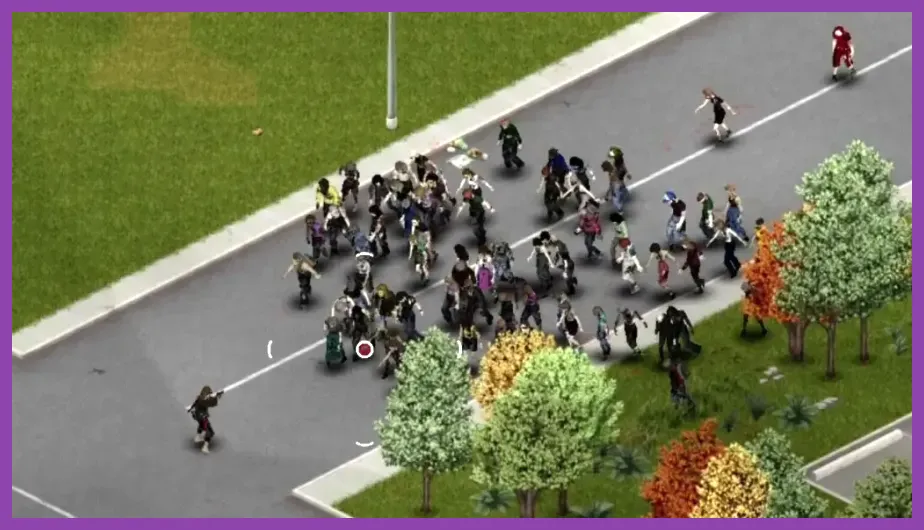
The closest “final boss” in Project Zomboid is the combination of population density, resource decay, and long-term mistakes. Zombies do not become stronger like RPG enemies, but your situation becomes less forgiving as canned food disappears, generators require fuel, vehicles break down, and safe routes become familiar to roaming hordes.
Set a personal victory condition before starting. A practical first completion goal is reaching day 30 with a sustainable base, a working vehicle, enough ammunition for emergencies, and no unexplored threats near your main perimeter. A harder goal is reaching Louisville, looting a major landmark, and returning alive. You can also aim to clear the Rosewood prison, the Muldraugh warehouses, the West Point shopping district, or Louisville’s military checkpoint.
For the most accurate version-specific information, check the official Project Zomboid development blog and the Indie Stone forums. Build 41 and Build 42 differ in several systems, so avoid assuming that a modded guide or old video matches your settings.
Build a Character That Can Reach the Endgame
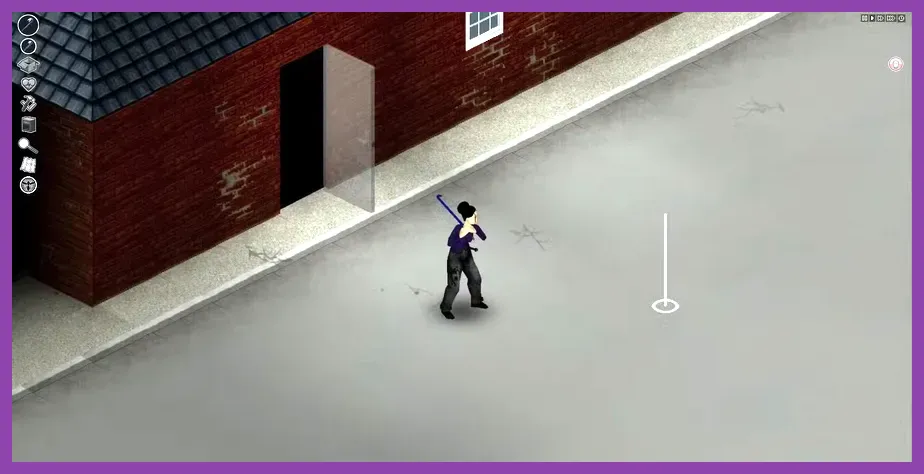
Choose traits that improve consistency rather than creating a flashy combat specialist. Fast Learner accelerates every useful skill, while Organized increases container capacity and Strong improves carry weight and melee effectiveness. Keen Hearing is particularly valuable because it expands rear awareness and gives you more time to react to a crawler or flanking zombie.
For a beginner-friendly combat setup, start with a weapon profession or trait that supports Long Blunt. The Crowbar is durable, common, and effective for training. Later, use a Spiked Baseball Bat or Double-Barrel Shotgun only when you understand spacing and noise management. Axes are powerful, but Axes skill levels more slowly and good axes are less common early on.
Prioritize Fitness, Strength, Long Blunt, Maintenance, and Carpentry. Fitness controls endurance and recovery; Strength affects melee damage and hauling; Maintenance slows weapon condition loss; Carpentry unlocks stronger structures. Read the relevant skill books before grinding whenever possible, then watch the matching VHS tapes for large experience boosts. Our beginner tips guide covers the same principle of investing in permanent progression before chasing risky rewards.
Survive the First Nine Days
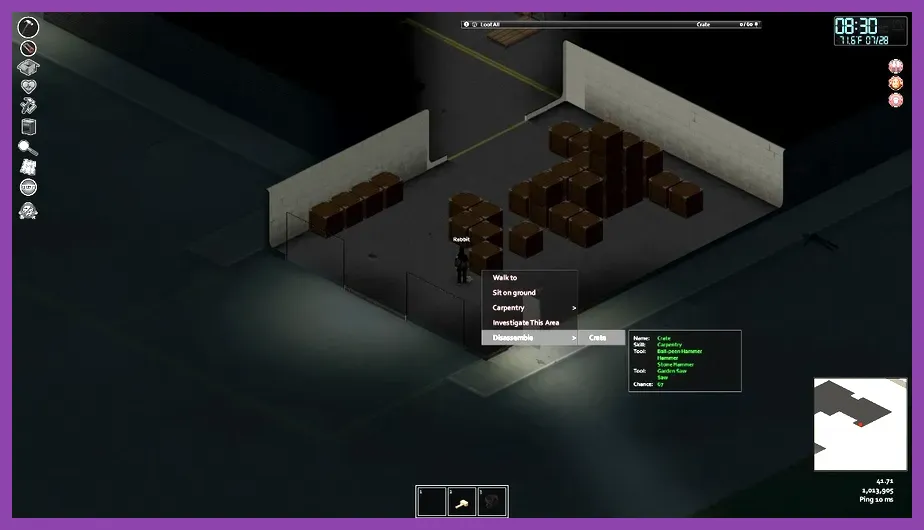
Your first objective is not killing every zombie nearby. Loot a quiet residential block, collect a Hammer, Saw, Nails, a Crowbar, a Cooking Pot, a lighter or matches, and a working vehicle. Close curtains immediately and avoid sprinting unless you are escaping a grab. Walking keeps exertion low and makes it easier to maintain formation control.
Fight one to three zombies at a time. Hold the aim or combat stance button, keep your character facing the threat, and back away while attacking. Stomp fallen zombies with the spacebar only after confirming nearby bodies are not standing. Never fight while Exerted, Exhausted, Panicked, or heavily encumbered. Stop, create distance, and rest inside a secure room before continuing.
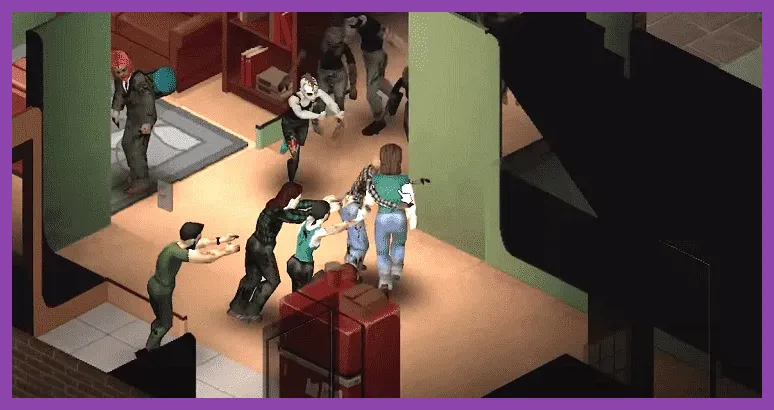
The helicopter event normally arrives around days 6–9 in default settings. When you hear it, do not remain outside or lead the helicopter to your permanent base. Move into a building with closed curtains, or drive to a remote forested area before the event begins. The aircraft follows visible or recently active survivors and attracts zombies with its sound. The event is not a boss attack; it is a population relocation event that can destroy an unprepared safehouse.
Turn Your Safehouse Into a Long-Term Base
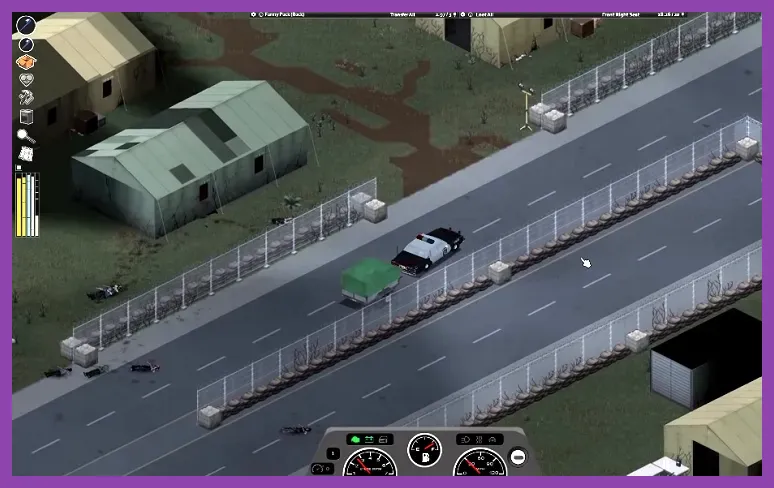
Select a base with multiple exits, a nearby water source, garage access, and enough interior space for storage. A second-floor house can be secure early, but a warehouse or fenced compound is better for long-term expansion. Barricade ground-floor windows with planks, remove climbable sheet-rope access points that zombies can use, and keep one escape route free at all times.
Reach Carpentry 4 as soon as practical so you can build rain collectors and stronger wooden structures. Install a Generator only after reading How to Use Generators; operating one without the manual can cause injury or death. Place it outdoors, maintain it with an electrical skill requirement, and stockpile fuel. When the water shuts off, connect rain collectors to sinks with a pipe wrench. Purify questionable water by boiling it in a cooking pot before drinking.
Keep separate storage for food, medical supplies, ammunition, tools, and weapons. Maintain at least one full gas can, spare tire, jack, lug wrench, and engine parts in your vehicle area. A generator, rain collectors, preserved food, and a second vehicle remove the most common long-run failure points. For broader equipment planning, compare this preparation mindset with Steamoz’s Rust weapons guide, although Project Zomboid rewards avoidance more than raw damage.
How to Clear the Late-Game Horde
Before entering a dense location, carry a primary melee weapon, a backup weapon, bandages, disinfectant, painkillers, beta blockers, water, food, and a fully fueled vehicle. Wear sturdy clothing without sacrificing movement speed. A Firefighter Jacket, Firefighter Pants, boots, and gloves offer useful protection, but overheating and reduced mobility can become dangerous during extended fights.
Scout from the edge and pull zombies in small groups. Use fences, walls, doors, and parked vehicles to break line of sight, but never fight with your back against an obstacle you cannot vault. If a group exceeds your stamina or your weapon begins losing condition, retreat immediately. A shotgun can eliminate a crowd quickly, but its sound may attract hundreds of zombies from surrounding cells. Firearms are emergency tools until you have sufficient Aiming, ammunition, and a planned escape route.
For Louisville, clear a fallback building before looting. Mark safe parking spaces, avoid blocking roads with wrecks, and never enter a high-density district while tired. Military locations may contain valuable gear, but military zombies are not uniquely powerful; the danger comes from numbers, confined interiors, and noise. Treat every building as a potential trap and open doors from an angle that leaves room to retreat.
The Rules That Prevent a “Boss Fight” Death
- Never trade hits. Back away from every attack and keep your character aligned with the nearest threat.
- Do not gamble while tired. Endurance and moodles are combat information, not cosmetic warnings.
- Keep two escape plans. Know where the nearest window, door, vehicle, or fence is before starting a fight.
- Use noise deliberately. Alarms, guns, sirens, and generators can relocate an entire neighborhood.
- Inspect wounds immediately. A scratch or laceration may not mean infection, but panic and delayed treatment create additional risks.
- Leave loot behind. Being overburdened is often more dangerous than returning empty-handed.
There is no final boss to defeat in Project Zomboid, and no official ending that confirms victory. Your real win is building a survivor who can operate indefinitely, clear a dangerous district, or reach a self-imposed milestone without making one fatal mistake. If you want another preparation-heavy survival challenge, Steamoz’s No Rest for the Wicked co-op builds guide offers a useful contrast: Project Zomboid gives you fewer scripted objectives, but far more freedom to define what “beating” the game means.