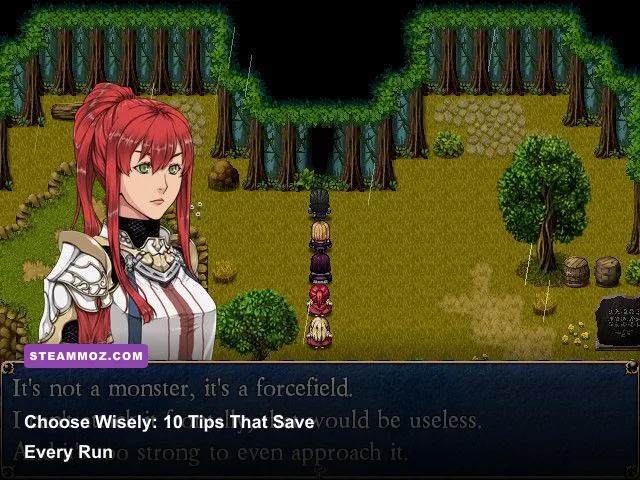
The best way to survive your first Choose Wisely run is to slow down, track consequences, and protect your resources for irreversible decisions. The game rewards players who read every line, notice changes in character behavior, and treat each choice as part of a larger route rather than an isolated question. These 10 tips will help you avoid the most common beginner traps while keeping enough flexibility to reach stronger outcomes.
Choose Wisely looks simple because its core interaction is straightforward: read a situation, select an answer, and live with the result. The difficulty comes from delayed consequences. A decision that seems harmless in the opening stretch can close a route several scenes later. That makes careful observation more valuable than reflexes, and it also makes a first blind run worth taking seriously.
If you enjoy games built around consequences, our guides to Dungeons 3 decision-making and Dungeons 4 hidden rewards cover the same useful habit: observe first, commit second.
1. Treat the First Run as Reconnaissance

Don't restart immediately after every mistake. Your opening run is the fastest way to learn which choices are permanent, which scenes repeat, and which resources can be recovered. Let the game show you its structure. Pay attention to the wording of prompts, the names of characters involved, and the exact point where a branch changes.
A useful rule is to separate mistakes into two categories. A tactical mistake means you spent too much, selected the wrong immediate response, or ignored a warning. A route mistake means you deliberately chose a different relationship, moral stance, or ending path. Tactical mistakes are worth correcting on the next attempt; route mistakes are often the reason to keep playing.
Use a simple decision log
Write down the scene name, your selection, the immediate result, and any later consequence. You don't need a spreadsheet with dozens of columns. A phone note is enough. After three or four scenes, you'll start seeing patterns: characters who react badly to hesitation, choices that consume resources, and apparently generous actions that create future obligations.
| What to Record | Why It Matters | Best Time to Review |
|---|---|---|
| Scene title | Helps locate the branch again | Before starting a new run |
| Exact choice text | Prevents confusing similar options | Immediately after selecting |
| Resource change | Reveals hidden costs | At every major checkpoint |
| Character reaction | Shows relationship direction | Before the next conversation |

🎮 Choose Wisely
Looking to experience this game? Grab your digital key directly on our store for $0.54.
View on Steammoz Store →2. Read the Consequence Language Carefully
Choose Wisely rarely labels a choice as good or bad. Instead, its wording hints at risk. “Promise,” “guarantee,” and “take responsibility” are usually stronger commitments than “consider,” “ask,” or “wait.” If a response sounds definitive, assume it may lock you into a route.
Pay particular attention to choices that contain two actions. Selecting “help them and hide the evidence” is not one decision; it's a relationship decision followed by a risk decision. The game may reward the first half while punishing the second. When a prompt combines compassion with concealment, or honesty with confrontation, decide which consequence you can afford rather than chasing the most heroic-sounding sentence.
Timing matters, too. A choice made before you have all the information is often deliberately dangerous. If the interface offers a chance to investigate, question another character, or inspect an object, do that first. Information-gathering choices may appear passive, but they often reveal the safest response later.
Don't assume the nicest answer is safest
Kindness can improve a relationship while damaging your supplies, reputation, or future leverage. Likewise, a blunt answer can preserve a limited resource even while hurting trust. The correct choice depends on your current route. Check your active objectives and status indicators before responding, especially if a character has already warned you about a deadline.
3. Protect Your Resources for Turning Points

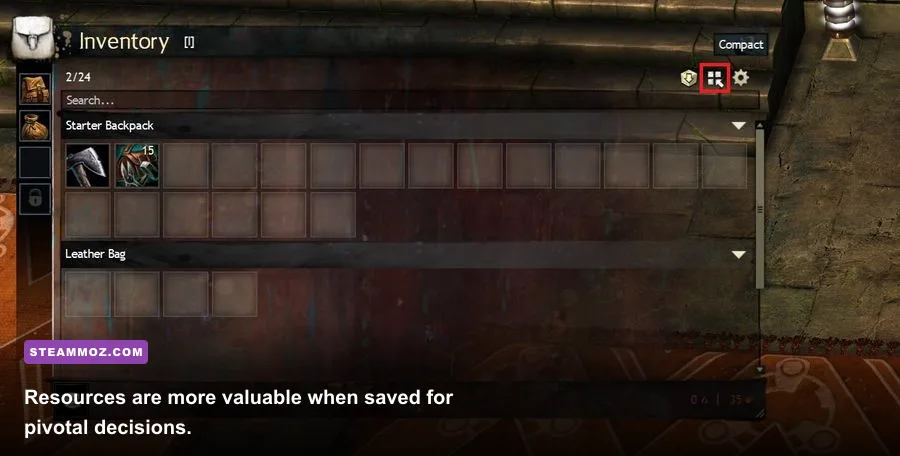
New players tend to spend everything as soon as a resource appears. That feels productive, but Choose Wisely usually places its most expensive decisions after the game has taught you to relax. Keep a reserve whenever the interface shows a cost, a countdown, or a choice described as urgent.
The safest early-game approach is to spend only when the reward changes your options. A resource that opens one extra line of dialogue is more valuable than one that merely improves a short-term outcome. Before committing, ask three questions: does this unlock information, does it preserve a relationship, and can I recover the cost before the next major scene?
| Resource Situation | Recommended Action | Reason |
|---|---|---|
| Large surplus | Spend on information or route access | Expands future choices |
| Moderate supply | Save for character-critical scenes | Protects relationship routes |
| One-use item | Use only after identifying the consequence | Avoids wasting irreversible tools |
| Low supply | Choose low-cost investigation options | Preserves a recovery window |
This is similar to the economy discipline covered in our fast leveling and gold route guide: spending efficiently isn't the same as spending constantly.
4. Build One Consistent Relationship Route
Trying to please every character at once is one of the fastest ways to create a weak ending. Choose Wisely tracks consistency more favorably than random generosity. If you want a particular character's route, support that character's priorities across several scenes instead of helping them once and then contradicting them later.
That doesn't mean agreeing with everything. Characters respond to patterns: whether you keep promises, whether you reveal information, and whether you act when pressure rises. A respectful disagreement can be stronger than an empty promise, especially if the game gives you a later chance to explain your reasoning.
Watch for relationship signals
Changes in dialogue length, greetings, available questions, and willingness to share information are more useful than a single positive response. If a character suddenly stops offering optional conversation, assume your relationship has weakened even if the main story continues normally.
Choose one primary relationship for your first serious attempt. Keep a second route as a backup, but don't spend scarce resources trying to maximize both. This approach also makes replaying easier because you can deliberately reverse one major philosophy rather than changing every decision at random.
5. Investigate Before You Commit
Optional interactions are not filler. Inspect rooms, revisit previous locations when the game allows it, and exhaust available dialogue before selecting a high-stakes response. The safest choice is often hidden behind one extra question or a small environmental clue.
Look for repeated names, objects mentioned by more than one character, and details that don't match the current story. If two people describe the same event differently, don't immediately choose a side. Record both accounts and wait for a third piece of evidence. Choose Wisely often makes certainty itself a risk: the character who sounds most confident may simply be controlling the conversation.
When the game provides an objective list, complete optional objectives before the main objective if there is no visible deadline. Optional tasks can unlock context, reduce a later cost, or expose a safer answer. If the objective is marked urgent, however, treat exploration as a calculated gamble rather than a default habit.
6. Use Saves and Checkpoints Intelligently
Manual saving is most valuable before a decision that changes a relationship, consumes a rare resource, or moves the story into a new chapter. Don't create dozens of saves with meaningless names. Keep three useful slots: “before major choice,” “current route,” and “experimental.”
After a scene produces an unexpected result, don't reload instantly. First identify what caused it. Was the problem the selected answer, an earlier promise, a missing item, or a relationship threshold? Reloading without understanding the trigger only creates the same failure again.
Also remember that some games preserve hidden variables across scenes or autosaves. If a reload produces the same outcome, the cause probably occurred earlier. Go back to the previous major checkpoint rather than repeating the final dialogue.
7. Don't Chase Every Immediate Reward
A reward can be a trap if it creates a larger obligation. Extra money, access, or approval may look attractive, but the game frequently attaches a future cost to easy gains. Before accepting a reward, check whether the wording implies debt, secrecy, loyalty, or a promised favor.
For a first completion, prioritize options that preserve flexibility. Information, neutral alliances, and unlocked locations are generally more useful than temporary boosts. A reward that gives you two future answers is better than one that makes the current scene slightly easier.
8. Change One Variable on Each Replay
Replay value comes from controlled experimentation. If you change every decision on the second run, you won't know why the ending changed. Keep the opening choices identical and alter one major decision near the middle. Compare the later scenes with your notes.
This method reveals hidden dependencies quickly. You may discover that an early promise controls a late conversation, or that a resource saved in chapter one unlocks a completely different option in chapter three. Once you understand one dependency, change a second variable on the next run.
9. Check Performance Before Blaming Your Choices
Technical problems can make a decision game feel inconsistent. If text appears late, audio cues fail, or autosaves take too long, verify the installation and lower background load before assuming the game has changed your route. On PC, start with a stable frame-rate cap, disable overlays, and avoid running several capture tools at once.
For broader optimization habits, see our settings guide for smoother frame rates and PC crash-fix checklist. Stable performance matters most during timed prompts and transition scenes.
10. Use Bad Endings as Evidence
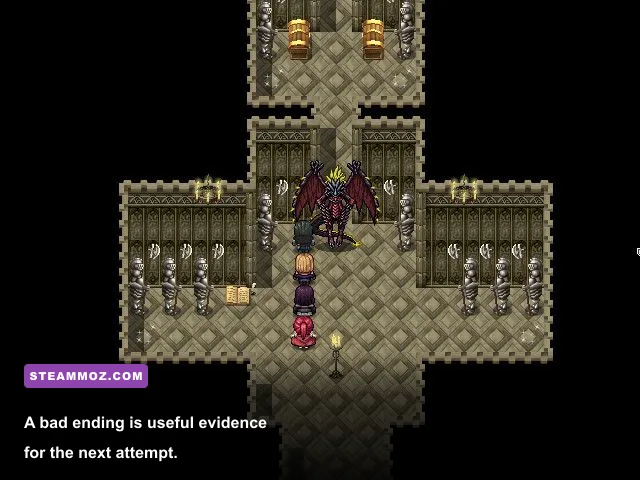
A bad ending isn't wasted progress. It tells you which combination of choices the game considered unstable. Study the final scene, identify the earliest warning sign, and change that decision first. Don't simply select the opposite response everywhere; the best route may require a smaller correction.
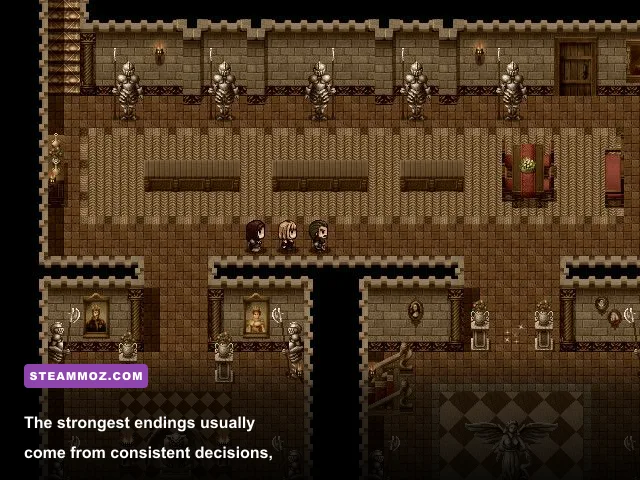
Strong endings usually come from a coherent philosophy. If you want to play as an honest investigator, remain honest when it costs you. If you want to protect one character, accept that other relationships may suffer. The game becomes easier once your decisions reinforce one another instead of competing for every short-term reward.
A reliable first-run plan
- Read every prompt twice before choosing.
- Complete optional investigations when no deadline is active.
- Save before irreversible decisions.
- Keep a reserve of resources for late scenes.
- Choose one relationship route and stay consistent.
- Log every major consequence.
- Change only one major variable per replay.
For the latest version, patch notes, and platform information, check the Choose Wisely Steam listings and the official Steam support pages. If you want more choice-driven progression advice, our Dungeon Siege RPG guide is also worth a look.
The winning mindset is simple: don't ask which option sounds best right now. Ask which option preserves the most information, resources, and future choices. Once you start thinking that way, Choose Wisely stops feeling like a guessing game and becomes a route you can actually read, plan, and master.