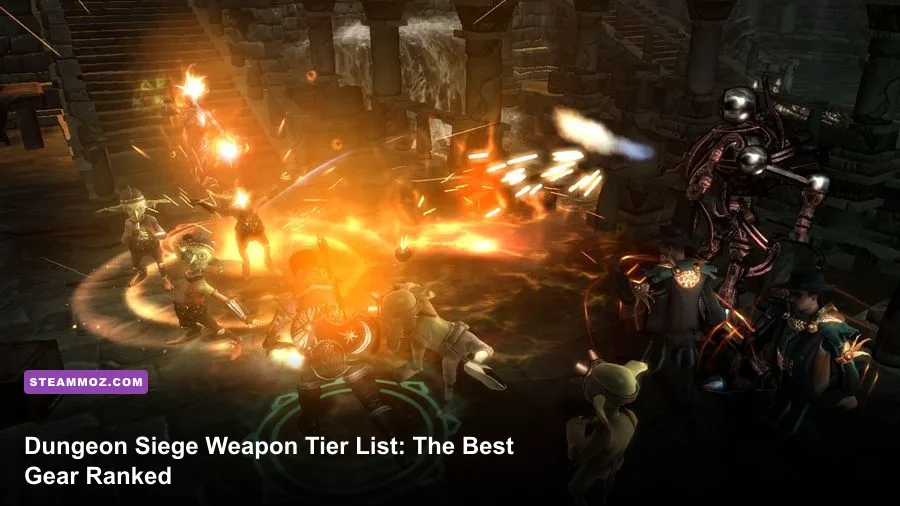
The best Dungeon Siege weapons are fast, high-damage drops that match your combat skill—not automatically the biggest sword in your inventory. For the original 2002 Dungeon Siege campaign, my ranking puts fast one-handed weapons and reliable bows at the top, with heavy two-handed gear close behind when a dedicated Melee Combat character can support it. Magic staves are excellent for specialist casters, while slow low-level axes and oversized weapons are usually bait.
This list covers the original Dungeon Siege and its Legends of Aranna expansion, not Dungeon Siege II. The game does not use a modern loot database with one universally perfect roll. Weapon damage, enchantments, and item quality vary by drop, so the ranking focuses on weapon class, practical damage output, attack cadence, range, and how well each choice scales with the four core skills: Melee Combat, Ranged Combat, Combat Magic, and Nature Magic.
Dungeon Siege weapon tier list at a glance
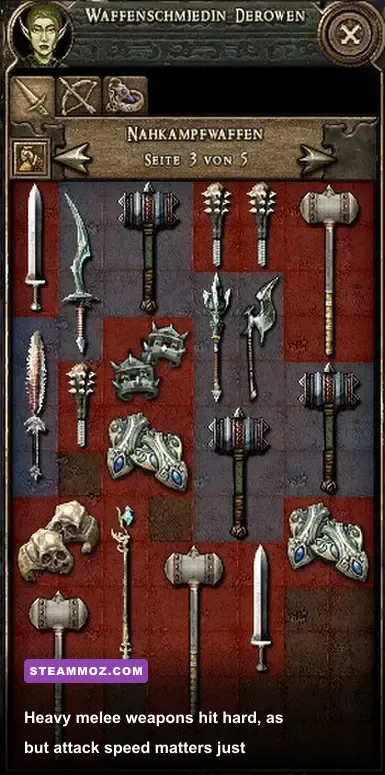
The short version is simple: use the best weapon with the highest damage-per-second profile for the character who is actually wielding it. A weapon with impressive base damage can still lose to a faster alternative because Dungeon Siege's real-time combat continuously rewards attack frequency. That matters even more when a character is using melee abilities, drawing aggro, or receiving healing from a Nature Magic companion.
| Tier | Weapon or Class | Why It Ranks Here | Best User |
|---|---|---|---|
| S-Tier | Fast one-handed swords and axes | Excellent sustained damage, flexible equipment slots, strong uptime | Primary Melee Combat fighter |
| S-Tier | High-quality bows | Safe damage, natural kiting, strong opening volleys | Dedicated Ranged Combat hero |
| A-Tier | Two-handed swords and hammers | High individual hits and good crowd-control pressure | Strength-focused melee tank |
| A-Tier | Magic staves | Supports spell-focused builds and preserves mana-oriented gear slots | Combat or Nature Mage |
| B-Tier | Crossbows | Good impact per shot, but slower rhythm and less forgiving positioning | Secondary ranged character |
| C-Tier | Low-level slow axes and weak improvised weapons | Slow animations and poor damage consistency once better loot appears | Temporary early-game use |
That table is a ranking of categories, not a promise that every sword beats every hammer. A rare, heavily enchanted hammer can outperform a common sword. Always compare the actual item panel, then test the weapon against a durable enemy instead of judging by the icon or the weapon's name.

🎮 Dungeon Siege
Looking to experience this game? Grab your digital key directly on our store for $0.97.
View on Steammoz Store →S-Tier weapons for the campaign
Fast one-handed swords and axes
One-handed weapons are the safest all-purpose choice in Dungeon Siege. They leave the other hand available for a shield, which is a major advantage for the character standing in front of Garges, Krugs, skeleton packs, and late-game melee elites. A fast sword or axe also keeps damage flowing while the hero changes targets or briefly steps out of a telegraphed attack.
Use one-handed swords when you want consistent, dependable damage. Axes are attractive when their damage roll is clearly higher, but don't sacrifice a huge amount of attack speed for a small increase in the displayed number. The ideal front-line character carries a one-handed weapon, a shield, armor with useful resistances, and enough Melee Combat investment to keep attack output climbing.
Named equipment such as the Sword of Purity can be exciting finds, but its name alone doesn't make it the correct answer for every character. Compare its damage and enchantments against your current weapon. A common sword with better practical damage and useful bonuses is still the smarter choice.
High-quality bows
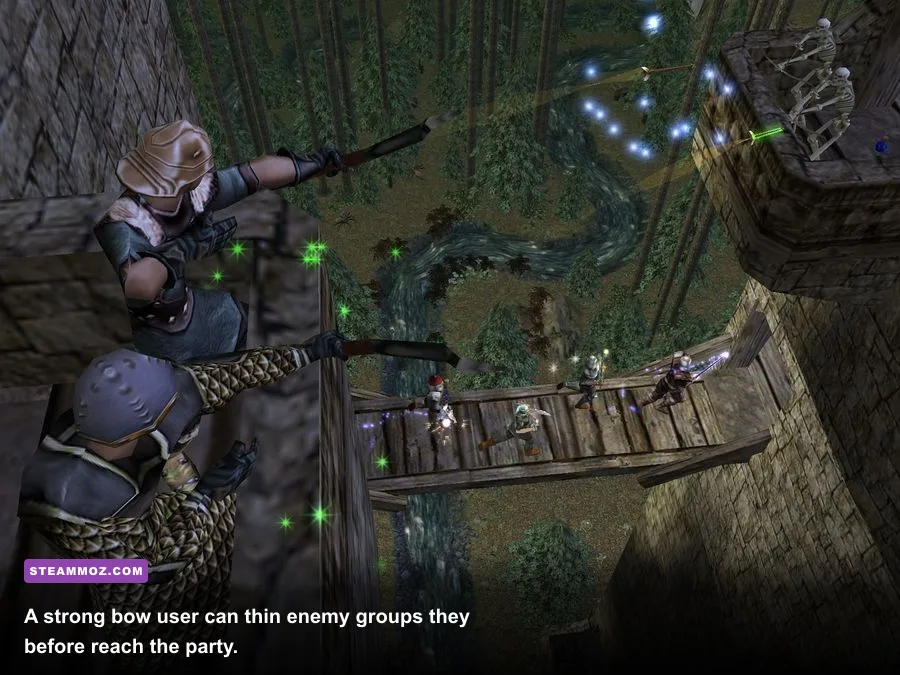
Bows are arguably the strongest weapon class for a player-controlled character. Ranged Combat lets you pick targets before they enter melee range, and the game's open outdoor spaces give you room to kite. Put the archer behind a melee fighter, focus fire dangerous casters, then move only when enemies begin closing the gap.
The best bow is the one that combines strong damage with a comfortable firing rhythm. A bow that hits slightly harder but fires noticeably slower can lose during long fights. Keep a second bow available if your inventory allows it, especially when one has poison, fire, or other useful enchantments. Avoid splitting one character between bows and melee weapons; skill points are more valuable when they build a clear damage profile.
A-Tier gear that deserves your attention

Two-handed swords and hammers
Two-handed weapons are excellent on a dedicated bruiser, particularly when another party member handles healing and enemy control. Their large hits make early enemies disappear quickly, and a heavy weapon feels fantastic against bosses that cannot be kited safely. The trade-off is the missing shield. That lost defensive slot becomes painful when several ranged enemies focus the same character.
Choose a two-hander when its damage advantage is obvious, not merely because the model looks impressive. The Bone Crusher and Black Hammer are memorable examples of the game's heavy-weapon fantasy, but you should still inspect their actual rolls. A weak named drop can arrive at an awkward point in the progression and be worse than a recently found enchanted weapon.
Magic staves
Staves fit specialist casters because they reinforce a character already committed to Combat Magic or Nature Magic. A Combat Mage can use offensive spells to soften a group, then let the staff finish survivors. A Nature Mage generally benefits more from mana and spell-focused equipment than from trying to become a mediocre melee fighter.
Don't treat a staff as a universal replacement for spell investment. Its weapon damage is secondary to the caster's spellbook, mana pool, and ability to maintain safe positioning. Staves rank below the best physical weapons because a caster's real damage comes from spells, but they are still excellent when the equipment bonuses support that role.
B-Tier weapons and the traps behind them
Crossbows
Crossbows can deliver satisfying single-shot damage, but their slower firing rhythm makes mistakes more expensive. They work best for a secondary ranged character who attacks from the edge of a fight, switches targets deliberately, and has a tank between them and the enemy. If your party constantly gets swarmed, a bow's faster pressure is usually more valuable.
Slow axes and oversized early loot
The first large weapon you find often feels like a major upgrade. Sometimes it is. More often, its slow attack cycle causes a character to spend too much time waiting between hits. That delay becomes especially obvious against multiple small enemies, where a fast sword could have finished one target and started another.
Keep slow weapons for a genuine damage spike or a character built around absorbing hits. Otherwise, sell them and use the gold to buy healing supplies, identify suspicious gear, or upgrade a weaker party member. Dungeon Siege's inventory fills quickly, and hoarding every large weapon makes comparisons harder than they need to be.
How weapon stats actually affect your ranking
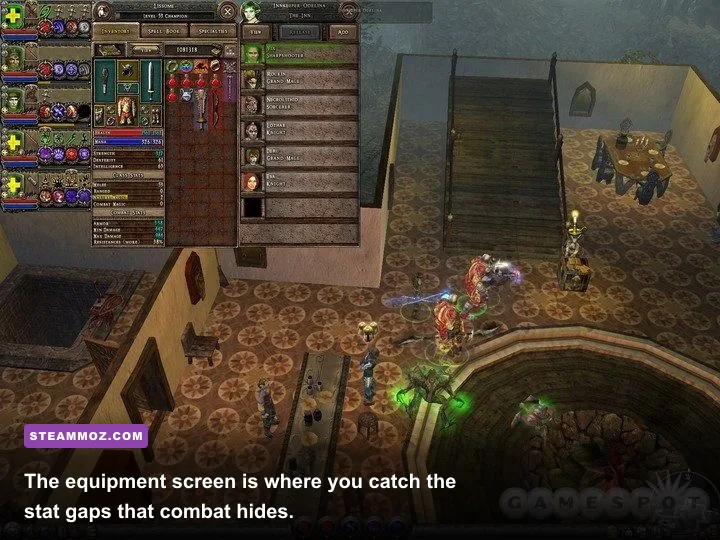
Dungeon Siege doesn't hand you a clean damage-per-second number for every weapon, so you need to read the equipment panel in context. Look at the damage range, the weapon's speed in combat, and any enchantments. A high minimum damage value is valuable against armored enemies because it reduces the number of disappointing low rolls. A wide damage range can produce bigger spikes, but it may feel inconsistent.
| Stat or Feature | What It Changes | Priority | Practical Test |
|---|---|---|---|
| Damage range | Size and consistency of each hit | Very high | Compare minimum damage against your current weapon |
| Attack speed | How often the character applies damage | Very high for melee | Watch hits over a sustained ten-second fight |
| Elemental enchantment | Adds damage or useful resistance interaction | High when the roll is strong | Test against resistant and unprotected enemies |
| Range | Time available before enemies reach you | High for archers | Fire while retreating around terrain |
| Shield compatibility | Preserves a defensive equipment slot | High for tanks | Check survivability during multi-target pulls |
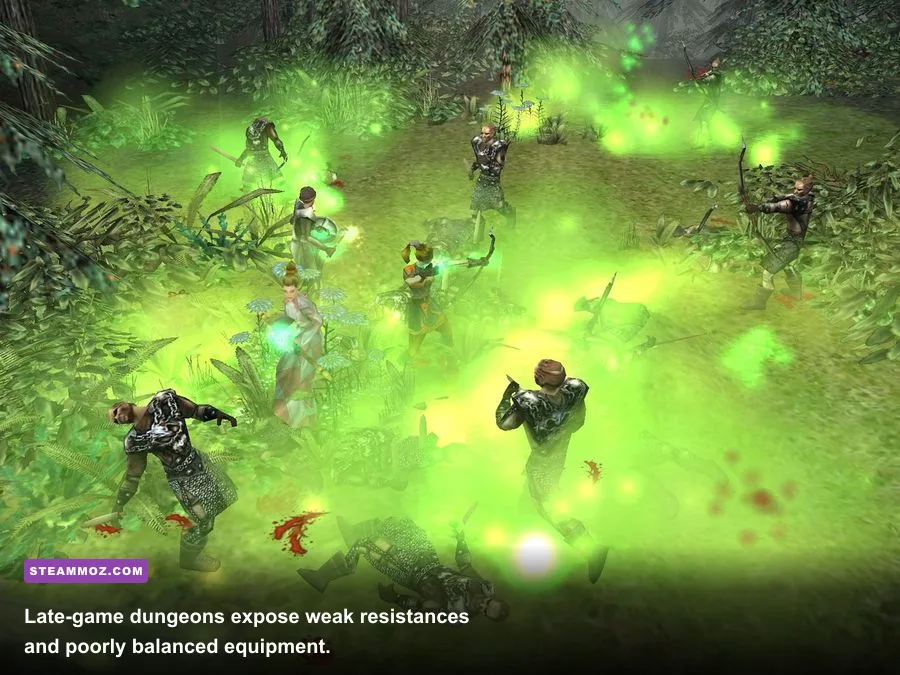
There is also a progression issue. A weapon that dominates in the Crypts can become obsolete after the Glitterdelve, yet players often keep it because it has a memorable name. Recheck equipment after every major dungeon and before entering the final sequence. The Crystal Caverns and later areas punish characters whose weapon damage has fallen behind the enemy health curve.
Best equipment setups by character role
Your party performs best when every weapon supports a job. The front-line fighter should not compete with the archer for gear, and the mage should not burn valuable skill points trying to cover every damage type. This role-based approach is also useful if you're returning to the game after reading our Dungeon Siege review.
| Role | Weapon Choice | Supporting Gear | Combat Habit |
|---|---|---|---|
| Main tank | Fast one-handed sword or axe | Shield, armor, health bonuses | Pull enemies, hold position, protect casters |
| Two-handed bruiser | Heavy sword or hammer | Health, armor, damage bonuses | Attack priority targets after the tank establishes aggro |
| Archer | Best available bow | Ranged damage, movement-friendly armor | Focus casters and kite around obstacles |
| Combat Mage | Staff with spell-support bonuses | Mana, spell damage, resistance | Open with area spells, then finish isolated targets |
| Nature Mage | Staff or defensive weapon | Mana, healing efficiency, survivability | Keep the party alive before chasing damage |
For a first playthrough, I prefer one sword-and-shield fighter, one archer, and one dedicated caster. That spread handles cramped rooms, open fields, and mixed enemy groups without forcing every character into the same equipment contest. It also mirrors the practical lesson from other classic party RPGs, including our Din's Curse survival tips: specialization keeps disasters manageable.
Loot priorities, vendor decisions, and final ranking
When you find new equipment, compare it in this order: damage output, survivability, useful enchantments, then appearance. Give the best weapon to the character who can exploit its skill category immediately. A perfect bow is wasted on a Melee Combat hero, just as a huge hammer gathering dust in a mage's inventory is wasted value.
- Replace outdated weapons after major area transitions. Don't assume a named item remains best forever.
- Keep one backup ranged weapon. It gives a melee character an answer when terrain or enemy formations make direct engagement dangerous.
- Sell redundant slow weapons. Inventory space and gold are more useful than sentimental gear.
- Protect the caster's mana economy. A staff with lower physical damage can be superior if it supports sustained spell use.
- Test weapons in real combat. The equipment panel cannot show how much a slow animation disrupts target switching.
For the original Dungeon Siege, the final verdict is clear: S-Tier belongs to fast one-handed weapons and quality bows, because they deliver the most reliable performance across the campaign. Two-handed swords and hammers are superb A-Tier choices for committed bruisers, while staves are the correct specialist tool for magic-focused characters. Crossbows and slow early-game weapons aren't useless, but they need the right party and a clear tactical reason.
If you want to verify the original release, expansion details, and system listing, check the Dungeon Siege Steam page and the official Xbox franchise listing. For more classic RPG build reading, Steamoz's Disciples: Liberation secrets guide and Dungeons 3 strategy tips are worth a look too.