
Warlock is the best Destiny 2 class for solo players because it combines reliable healing, Devour, strong crowd control, and excellent boss damage without depending on teammates. Titan is the best alternative for aggressive close-range play, while Hunter is ideal for players who value invisibility, mobility, and burst damage. For most solo campaigns, Lost Sectors, Nightfalls, and dungeons, start with a Prismatic Warlock.
This ranking assumes you want one class that can survive blind encounters, recover from mistakes, clear groups efficiently, and remain useful across different modifiers. No class wins every activity, but Warlock has the most dependable answer to the problems solo Guardians face: incoming damage, limited revives, isolated boss arenas, and enemies that cannot be safely rushed.
Destiny 2 Solo Class Tier List

S-Tier: Warlock
Warlock earns the top spot through healing rather than raw armor. The class can activate Devour, place a Healing Rift, deploy a Bleak Watcher Stasis turret, and use a Super that controls an entire arena. That combination gives you time to revive yourself in activities with limited revive tokens, freeze dangerous champions, and continue fighting after taking a bad hit.
Warlock is also the easiest class to adapt. Use Prismatic for mixed elemental tools, Voidwalker for straightforward Devour and weakening effects, Solar for Well of Radiance and Restoration, or Strand for suspend-focused crowd control. Its ability loop remains effective even when a seasonal artifact changes the best weapon archetypes.
A-Tier: Titan
Titan is the strongest class for players who want to solve problems by moving toward them. Prismatic Titan's Consecration aspect turns a slide into a powerful Solar slam that ignites groups, while Knockout improves melee recovery and survivability after damaging enemies. Pairing Consecration with Frenzied Blade creates a brutal close-range loop that can erase red-bar waves and heavily damage majors.
The weakness is exposure. Consecration requires you to enter melee range, and some dungeon bosses or Grandmaster champions punish that approach. Titan becomes outstanding when you know the arena and can use barricades, Woven Mail, overshields, or Restoration to control the risk. It is less forgiving than Warlock when learning an encounter blind.
A-Tier: Hunter
Hunter is the best solo class for avoiding danger rather than absorbing it. Vanishing Step grants invisibility after a dodge, Stylish Executioner can create further invisibility after defeating weakened targets, and Celestial Nighthawk turns Golden Gun into a high-impact boss-damage tool. Prismatic Hunter also offers strong combinations involving Withering Blade, Threaded Spike, and Gunpowder Gamble.
Hunter has superb movement and can bypass patrol threats, reposition during a damage phase, or recover from a failed pull. However, it has a narrower margin for error. Dodge timing, invisibility uptime, and weapon accuracy matter more because Hunter generally cannot stand in sustained enemy fire as comfortably as a Rift-equipped Warlock or barricade Titan.
Why Warlock Is the Best Solo Choice

The central reason to choose Warlock is that healing and damage are connected. With Feed the Void, an ability final blow activates Devour, and while Devour is active, defeating enemies restores health and extends the effect. In a solo room full of minor enemies, one grenade or melee kill can start a self-sustaining recovery loop. The effect is particularly valuable in Lost Sectors, where taking cover every few seconds can destroy your clear time.
For safer progression, use Bleak Watcher alongside Feed the Void. Bleak Watcher converts your grenade into a Stasis turret that slows and freezes enemies. The turret does not replace weapon damage, but it interrupts rushing melee units and creates breathing room against clusters of Taken, Scorn, Vex, or Hive. In difficult content, freezing one champion or major at the edge of an arena is often more valuable than instantly killing a weak enemy.
Use a Healing Rift when the encounter has predictable cover, and use an Empowering Rift only when you already understand the damage phase. Healing Rift is the default solo choice because it helps you survive chip damage while reloading, drawing heavy ammo, or waiting for a Super. For Solar Warlock, Touch of Flame improves healing grenades, while Heat Rises can support aerial play but is less essential for a grounded solo build.
Warlock Supers also cover multiple encounter types. Well of Radiance provides a powerful safe zone for stationary boss damage, Nova Bomb delivers immediate burst against a major or boss, and Needlestorm is a strong option when a boss remains exposed for a short window. Choose the Super based on the encounter instead of locking yourself to one subclass for every activity.
Best Solo Warlock Build and Stat Priorities
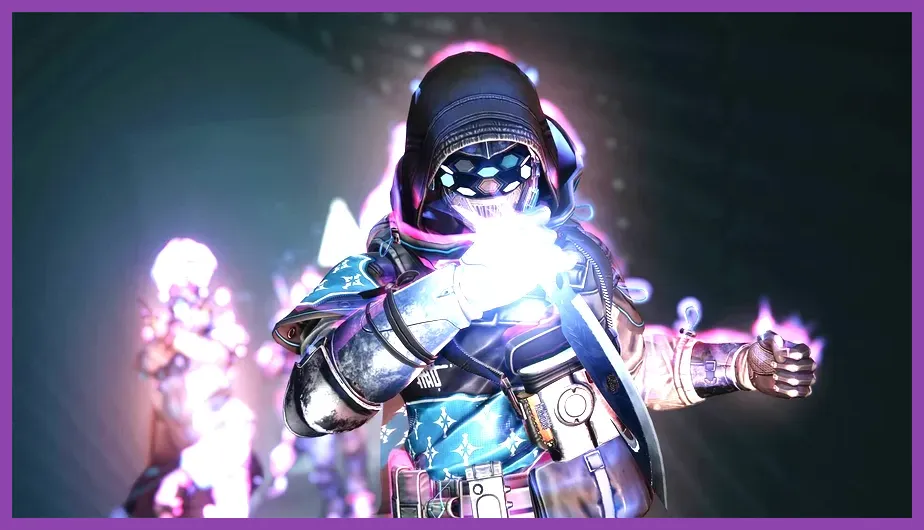
Recommended Prismatic setup
- Super: Nova Bomb: Cataclysm for burst damage, or Song of Flame when you need sustained Solar ability pressure and defensive value.
- Class ability: Healing Rift for general solo play.
- Movement: Burst Glide for fast horizontal repositioning; Strafe Glide is easier to control in platforming sections.
- Melee: Arcane Needle for ranged Threadling generation and reliable ability damage.
- Grenade: Vortex Grenade for area denial and grouped enemies, or Healing Grenade when using a Restoration-focused Solar setup.
- Aspects: Feed the Void and Bleak Watcher for the safest general-purpose combination.
Build toward 100 Resilience first. Resilience reduces incoming damage in PvE and makes mistakes less punishing. Next, target 80 to 100 Recovery so your Healing Rift returns quickly, then invest in Discipline for frequent Vortex Grenades. Strength is a lower priority when Arcane Needle already provides a ranged melee, while Intellect is usually less important than armor mods and orb generation.
Use Harmonic Siphon or an elemental Siphon that matches your weapon to create Orbs of Power, then add Recuperation and Better Already in your leg armor. Recuperation immediately restores health when you collect an Orb, giving you a second recovery layer beside Devour. On the chest, use resistance mods suited to the activity; two copies of the most relevant resistance type can matter more than a generic reserve mod.
For armor charge, Time Dilation extends the value of weapon surges, while Font of Restoration gives a temporary Resilience boost when armor charge is active. A practical damage setup uses one Kinetic Weapon Surge or matching elemental surge, an ammo finder for your heavy weapon, and a Powerful Attraction mod if you frequently collect Orbs near cover. Test the build in a Legend Lost Sector before taking it into a solo dungeon.
Exotic armor choices
Getaway Artist is a strong ability-focused option when you want an Arc Soul and frequent ability pressure. Osmiomancy Gloves are excellent for grenade control and freezing enemies, especially when your Prismatic configuration supports multiple grenade interactions. Contraverse Hold remains a dependable Void option for Vortex Grenade builds because charged grenades can return grenade energy while also benefiting from Devour.
For Solar Warlock, Sunbracers can create a huge grenade chain after a powered melee final blow, but they require closer positioning and more deliberate ability timing. For straightforward healing, Boots of the Assembler can improve Rift utility, although they are generally less explosive than the options above. Pick one exotic that strengthens the activity's main problem rather than automatically choosing the highest damage option.
Best Solo Titan and Hunter Alternatives
Prismatic Titan: the aggressive specialist
Use Consecration and Knockout when the activity allows melee range. Consecration creates a wave of Solar damage followed by a slam, and the resulting Ignition can clear enemies behind the initial target. Knockout improves melee range and restores health after powered melee damage, making it the engine for an aggressive build. Frenzied Blade gives Titan a repeatable melee attack that works well with this loop.
Use Thundercrash when a boss has a safe approach route and you need immediate burst. Twilight Arsenal is better when you need ranged Void damage and a Super that can stagger or pressure a boss from safer distance. Synthoceps boosts melee and Super damage when surrounded, while Heart of Inmost Light supports frequent ability use. For a defensive setup, use a Barricade, 100 Resilience, Recuperation, and armor mods that match the activity's elemental threats.
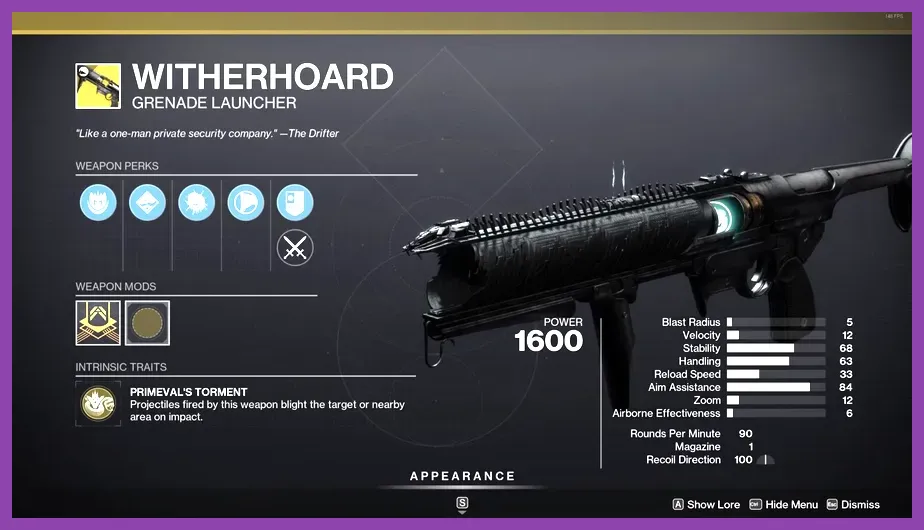
The Titan rotation is simple: open with a grenade or primary weapon to soften the group, slide into Consecration, finish surviving targets with Frenzied Blade, collect the Orb of Power, and retreat behind a barricade before the next wave. Do not begin every encounter with a melee. Save Consecration for enemies that can be safely grouped, and use a pulse rifle, scout rifle, or Witherhoard to control distant threats.
Prismatic Hunter: the evasive specialist
Hunter is the better choice when stealth and movement are more valuable than healing. Use Vanishing Step for dependable invisibility after dodging, or Stylish Executioner when your weapons consistently apply debuffs. A Gyrfalcon's Hauberk Void build can turn volatile weapon kills into a powerful invisibility loop, while Omnioculus offers damage resistance and additional invisibility support.
For boss damage, Celestial Nighthawk paired with Golden Gun remains a clean burst option when the target exposes a critical spot. Use a precision primary such as Hung Jury SR4 or a strong scout rifle to maintain distance, then save heavy ammunition and Super for the damage window. The Rocket Launcher Apex Predator is a dependable Solar heavy option, while Lament can heal through damage with its Revved guard but demands close range.
Hunter's solo rotation is dodge first, attack second. Activate invisibility before crossing an open room, reload while hidden, weaken the priority target, and only then commit to a finisher or heavy weapon shot. If invisibility expires in the middle of a group, do not force a kill; break line of sight, wait for dodge energy, and restart the engagement.
Solo Loadouts for Difficult PvE Activities

For a campaign or normal seasonal activity, use a primary weapon with reliable range, a special weapon for majors, and a rocket launcher or linear fusion rifle for bosses. Witherhoard remains useful for controlling doorways and damaging bosses over time, while The Call offers efficient Strand sidearm damage against majors. Buried Bloodline is valuable when you need a special weapon that can restore health through its exotic perk after dealing damage and can support a Devour-oriented build.
For Legend and Master Lost Sectors, build around the champion types and surges shown on the activity screen. Use Arbalest for Barrier Champions when its anti-Barrier capability is available through the activity rules, and carry a weapon that can stun the other listed champion types. The safest Warlock approach is to freeze or suspend a champion, place a Healing Rift behind cover, stun it, then use heavy ammunition. Never spend your only heavy shots before confirming the champion cannot teleport or enter an immune phase.
Solo dungeons demand more than a good subclass. Bring a reliable healing source, a weapon for high burst, and enough ammunition economy to survive long damage cycles. Well of Radiance can stabilize a stationary phase, but it does not make you immune to every boss mechanic. Learn the encounter's wipe timer, symbol or mote route, and safe damage position before chasing a faster clear.
In a solo Nightfall, prioritize survival over score. A scout rifle or pulse rifle gives Warlock a safe way to trigger Devour-related effects and handle distant enemies, while a blinding grenade launcher can interrupt dangerous groups. Do not stand in a Rift after its healing has done its job if the boss can push you out. Treat cover as part of the build, not as a sign that the loadout is weak.
How to Choose Your Solo Class by Activity
Choose Warlock for blind dungeon attempts, long Lost Sector runs, campaign missions with unpredictable spawns, and any activity where repeated healing determines whether a run survives. Its strongest advantage is consistency: Devour, Rift healing, and Bleak Watcher still help when you miss shots or activate an encounter mechanic late.
Choose Titan for close-range seasonal activities, enemy-dense arenas, and encounters where Consecration can safely reach multiple targets. Titan is also an excellent second character because its playstyle feels completely different from Warlock. If you already know enemy spawn points and can judge melee distances, Titan may outperform Warlock in clear speed.
Choose Hunter for solo objectives involving stealth, platforming, scouting, or short burst-damage windows. Invisibility can bypass fights that would consume your ammunition, and Hunter movement makes certain mechanics easier to execute. It is the class I recommend to experienced solo players who are comfortable managing cooldowns rather than to someone learning Destiny 2's endgame for the first time.
Your class choice should also match your available armor and exotics. A Warlock with poor Recovery and no usable healing exotic will not automatically outperform a well-built Titan. Check your armor stats, unlock the relevant Prismatic fragments, and test the build in a Legend Lost Sector. For additional performance tuning, Steamoz's guides to max FPS settings on PC and Hades 2 performance settings offer useful general optimization principles.
For official subclass descriptions, seasonal sandbox changes, and activity rules, check the official Destiny 2 site, Bungie news and patch notes, and the official Destiny 2 help center. The final verdict is straightforward: start with Prismatic Warlock, keep Prismatic Titan as your aggressive backup, and use Hunter when invisibility or burst damage solves the activity faster than raw durability.