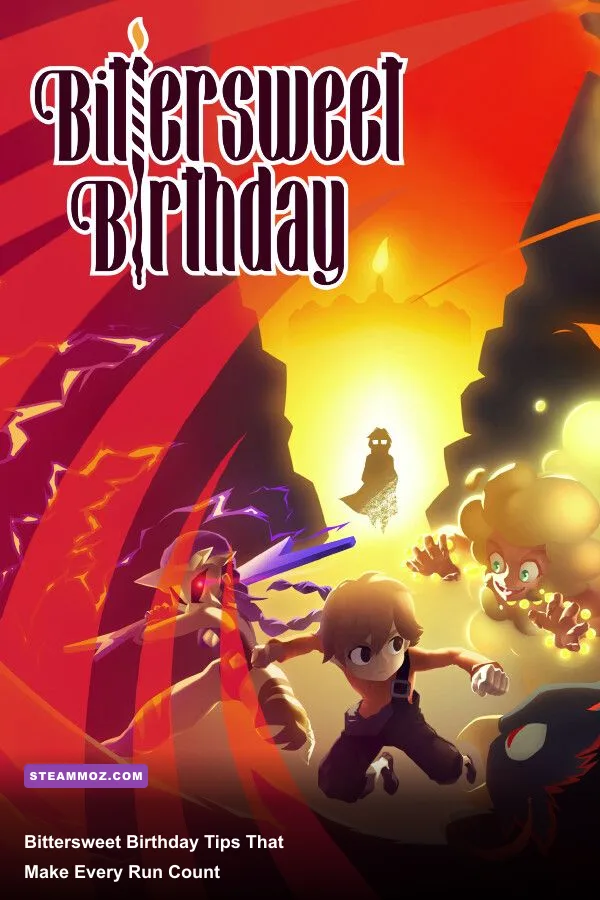
These 10 Bittersweet Birthday tips will help new players survive longer, spend resources intelligently, and stop losing runs to panic. The biggest early lesson is simple: movement comes before damage. Learn each enemy's warning animation, keep a clear escape route, and only commit to attacks when you know where your next dodge is going.
Bittersweet Birthday on Steam is built around fast action, room-to-room pressure, exploration, and a mysterious story. It looks approachable because of its colorful presentation, but its combat quickly punishes button mashing. Think of every room as a small positioning puzzle rather than a simple target gallery.
1. Learn the combat rhythm before chasing damage
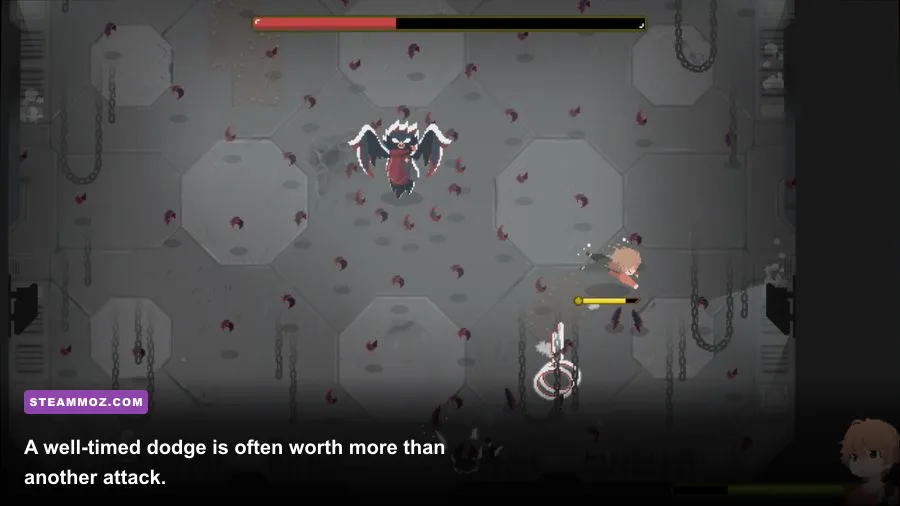
Your default attack is not a command to stand still. It is a commitment. During the opening encounters, practice attacking once or twice, moving away, then re-entering from a different angle. This rhythm teaches you how long your attack animation lasts and prevents the most common beginner mistake: staying beside an enemy because your first hit connected.
Use the training-friendly early rooms to test the difference between a quick attack, a charged or heavier strike, your dodge, and any available defensive action. The exact timing matters more than raw damage. If an attack leaves you locked in place while another enemy is approaching, its theoretical damage value doesn't matter.
Don't clear a room by chasing the final target across the entire arena. Circle the outside, remove enemies that fire projectiles or rush you, and keep the center open. A clean center gives you extra reaction time when several attack patterns overlap.

🎮 Bittersweet Birthday
Looking to experience this game? Grab your digital key directly on our store for $8.99.
View on Steammoz Store →2. Treat the dodge as your most valuable resource
New players often dodge as soon as an enemy turns toward them. That wastes the move before the danger actually arrives. Watch the attack's active moment instead: the lunge, projectile release, flash, or contact frame. Dodging late feels uncomfortable, but it creates much more distance and lets you punish the recovery animation.
Don't automatically dodge away from every threat. A sideways dodge can move you out of a projectile's path while keeping you close enough to counterattack. Against a charging enemy, dodging through or past it may be safer than retreating into a wall. The correct direction depends on what is behind you.
Keep at least one escape option available when the room is crowded. Spending every dodge to reposition aggressively leaves you helpless when a second enemy attacks from off-screen. If your invulnerability window is short, timing beats distance; if the room is full of projectiles, distance beats greed.
| Threat | Best first response | Common mistake | Why it works |
|---|---|---|---|
| Charging enemy | Wait for the lunge, then dodge sideways | Dodging immediately backward | Preserves space and exposes recovery |
| Slow projectile | Walk around its path | Using a dodge for every shot | Saves the dodge for a second threat |
| Close-range swarm | Attack once, then create distance | Standing still for a full combo | Prevents contact damage from overlap |
| Off-screen attack | Move toward open space before attacking | Focusing only on the visible target | Gives warning attacks room to appear |
3. Read telegraphs instead of memorizing enemy health
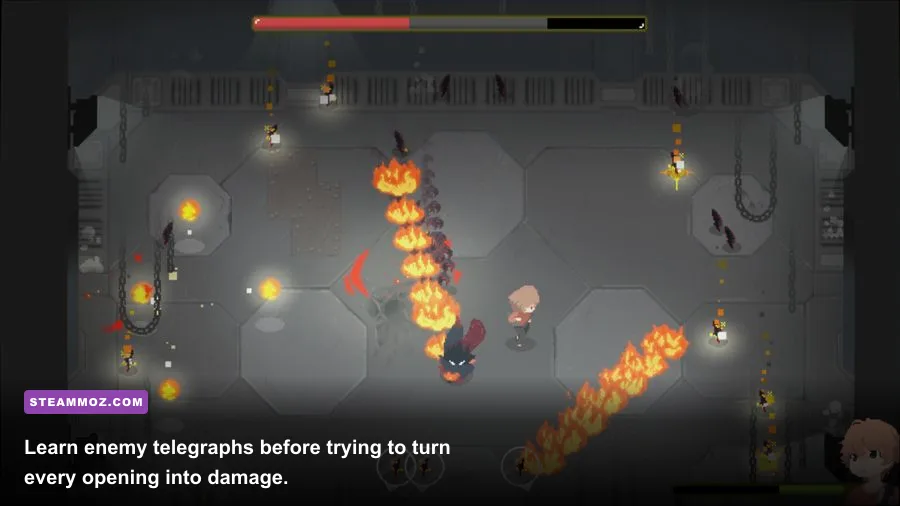
Bittersweet Birthday's enemies are more dangerous when you don't know what they are about to do. Spend your first encounter with a new enemy watching it for a few seconds. Look for a color change, a wind-up, a pause, a weapon lift, or a sudden turn toward your position. Those details are more useful than guessing how many hits the enemy needs.
Prioritize threats by behavior, not proximity. A nearby basic enemy can wait if a ranged attacker is filling the room with projectiles. Likewise, a slow enemy with a long wind-up may be harmless until the faster enemies push you into its attack. Remove anything that restricts your movement first.
When a group contains several copies of one enemy, don't panic after taking a hit. Reset to the edge of the arena, watch the group separate, and attack the one that arrives first. Trying to burst the whole pack at once usually creates overlapping hitboxes and turns one mistake into three.
4. Explore every room, but don't spend health for curiosity
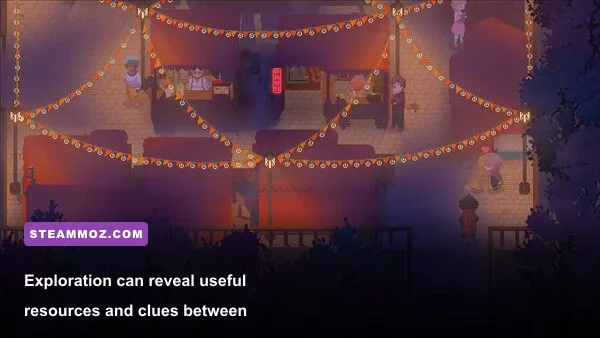
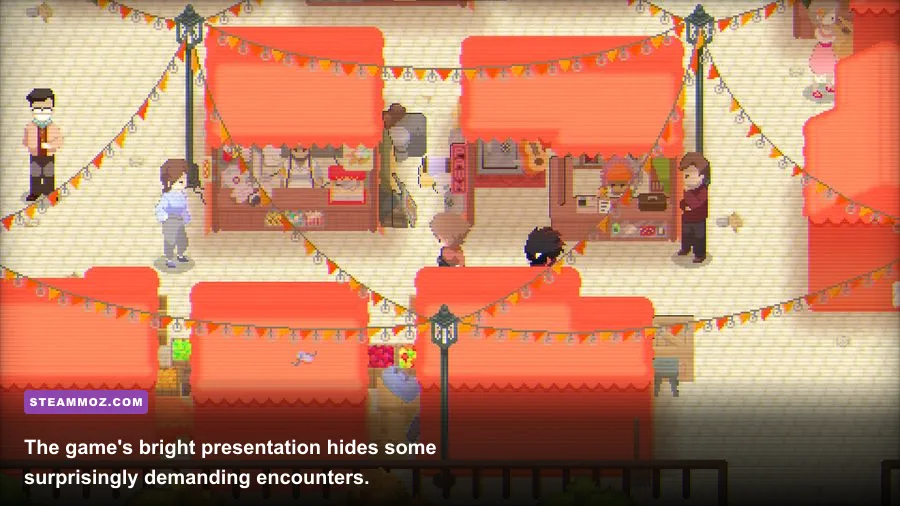
Exploration matters because side paths and interactive spaces can provide resources, story information, or a safer route through the next section. However, exploration is not automatically worth taking damage. Before crossing a suspicious room, clear visible enemies and check where you can retreat. A doorway or narrow corner can be useful cover, but it can also trap you if a rushing enemy follows.
Interact with objects deliberately. If the game presents a choice, read it before confirming rather than clicking through dialogue while enemies or hazards are nearby. Story discoveries are part of the experience, and rushing them can make you miss the context that explains later encounters.
Map your mental route around safe landmarks. Remember a room with unusual scenery, a branching corridor, or a resource you couldn't reach earlier. Returning with better mobility or a different tool is often more efficient than forcing the route immediately.
For a broader look at how indie games use exploration without conventional loot ladders, compare the design approach in Children of Silentown's progression. The lesson carries over: not every valuable reward is a weapon upgrade.
5. Spend upgrades on consistency, not flashy damage
Early upgrades should make your run more reliable. Extra survivability, cooldown improvement, energy or resource capacity, and movement-related bonuses generally help more than a small damage increase you can't safely use. A dead character deals zero damage, no matter how impressive the build looked on paper.
Build around one clear combat plan. If you prefer close-range attacks, choose bonuses that improve uptime, recovery, or survivability at melee distance. If you rely on ranged pressure, prioritize resource efficiency and the ability to reposition while firing. Mixing every available bonus creates a character that is mediocre at several jobs instead of strong at one.
| Build direction | Priority one | Priority two | Best use |
|---|---|---|---|
| Aggressive melee | Survivability | Attack recovery or close-range damage | Players comfortable reading wind-ups |
| Safe ranged play | Resource efficiency | Mobility or cooldowns | Learning unfamiliar rooms |
| Balanced starter | Health or defensive value | Reliable general damage | First successful runs |
| Utility-focused | Cooldown reduction | Resource capacity | Players using abilities frequently |
Don't restart a run because the first upgrade isn't perfect. A merely useful upgrade plus good decisions will carry you farther than repeatedly hunting for an ideal opening. The goal of early runs is to learn, not to produce a highlight-reel build.
6. Use abilities to solve problems, not inflate the damage number
Save your strongest ability for a situation it actually solves: a surrounded position, a dangerous elite, a projectile pattern that closes the arena, or a boss recovery window. Firing it at the first enemy you see may feel efficient, but it can leave you without an escape tool when the room becomes chaotic.
Think in combinations. A defensive move creates safety; a mobility tool changes position; a damage ability converts that opening into progress. Using all three offensively at once can produce a large burst, but it also removes your emergency options. In difficult rooms, use one tool to create space and keep another available.
Check your resource bar before committing to a long sequence. If an ability costs enough to prevent a follow-up dodge or defensive action, the combo is unsafe. Short, repeatable sequences are usually stronger for new players than a perfect rotation that fails after one missed input.
7. Fight bosses from the edge of their pattern
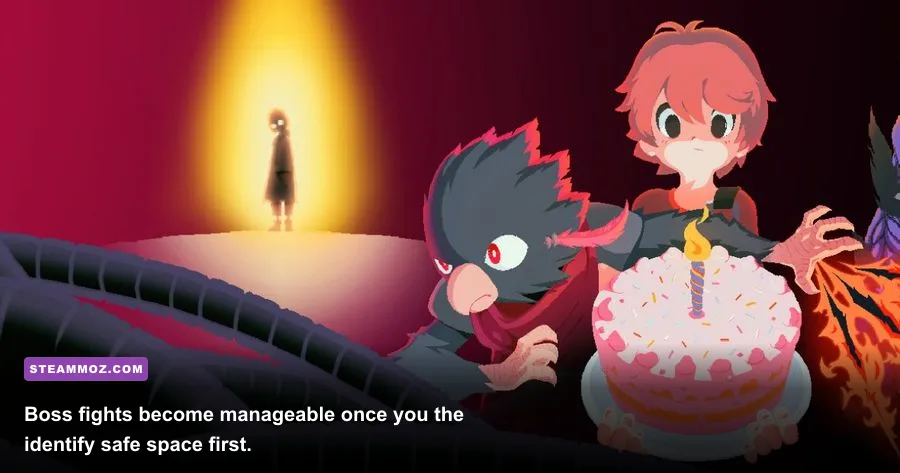
Boss arenas feel overwhelming because attacks arrive in patterns rather than isolated swings. Start by identifying the safe region. Some attacks cover the center, others sweep the edges, and many force you to move in a specific direction. Don't attack during the first few seconds just because the boss is visible; use that time to learn the pattern.
During phase changes, assume the old rhythm is finished. Bosses commonly alter speed, add projectiles, or combine a familiar strike with a delayed hazard. Wait for the new telegraph, then punish the recovery. Your first successful attempt should be treated as reconnaissance, not a failure if you don't win.
| Boss situation | Danger | Counter strategy | Attack window |
|---|---|---|---|
| Opening pattern | Learning while attacking | Watch one full cycle | After the final recovery |
| Projectile spread | Dodging into a second shot | Move toward the widest gap | When the arena clears |
| Charge sequence | Getting pinned against a wall | Stay near open space | Immediately after the miss |
| Phase transition | Assuming the old pattern continues | Stop attacking and reposition | After the new telegraph repeats |
8. Fix performance before blaming your reactions
Fast action games feel dramatically better when frame pacing is stable. Start with a steady 60 FPS target rather than chasing maximum resolution. If combat feels delayed, lower demanding options first, disable unnecessary background overlays, and test fullscreen versus borderless mode. A stable image makes projectile timing easier to read.
Use the same settings for several rooms before judging them. A quiet hallway can run smoothly while a crowded combat arena exposes stutter. If your system struggles, reduce resolution scale or effects quality before sacrificing clarity. You need to see telegraphs, not admire extra particles.
| Setting profile | Resolution target | Priority | Best for |
|---|---|---|---|
| Competitive clarity | 1080p, stable 60 FPS | Low effects, clean image | Learning dodges and boss patterns |
| Balanced | Native display resolution | Medium visual effects | Most mid-range PCs |
| Visual-first | Native or ultrawide | Higher effects where stable | Exploration and screenshots |
Steamoz's frame-focused settings guide covers the same practical principle: consistent delivery beats a higher average FPS number. If the game still stutters, our crash and low-FPS troubleshooting steps are a useful starting point.
9. Turn failed runs into deliberate practice
After each defeat, identify the first decision that made the situation unrecoverable. Was it spending your dodge early, entering a narrow room without a resource, attacking during a boss transition, or ignoring a ranged enemy? Pick one mistake to correct next run. Trying to fix everything at once makes improvement hard to measure.
Use short practice goals: survive a room without panic-dodging, identify every telegraph from one enemy, or reach the next checkpoint with one defensive resource intact. Those goals produce useful progress even when the run ends early.
Don't compare your first clear to a speedrun. Bittersweet Birthday becomes easier when recognition replaces reaction. Once enemy cues feel familiar, the same rooms that seemed frantic begin to look almost choreographed.
10. Keep the story and systems in the same loop
Pay attention to dialogue, environmental details, and recurring imagery instead of treating narrative scenes as interruptions. The strange setting is not separate from the gameplay loop; it gives meaning to the routes, encounters, and discoveries you're making. If you rush every conversation, later reveals lose some of their impact.
Take breaks after a tense boss attempt. This sounds obvious, but fatigue causes late dodges, missed interactions, and reckless upgrades. A five-minute reset is often more valuable than forcing another run while tilted.
Finally, check the developer's official site and the official Steam page for updates, controller notes, and patch information. If you want another perspective on extracting value from repeated runs, Steamoz's resource-farming guide offers a useful comparison, even though its combat system is very different.
The winning formula is straightforward: preserve your dodge, clear movement-blocking threats first, spend upgrades on consistency, and study every boss before trying to overpower it. Follow those habits and your Bittersweet Birthday runs will stop feeling like desperate improvisation and start feeling like controlled progress.