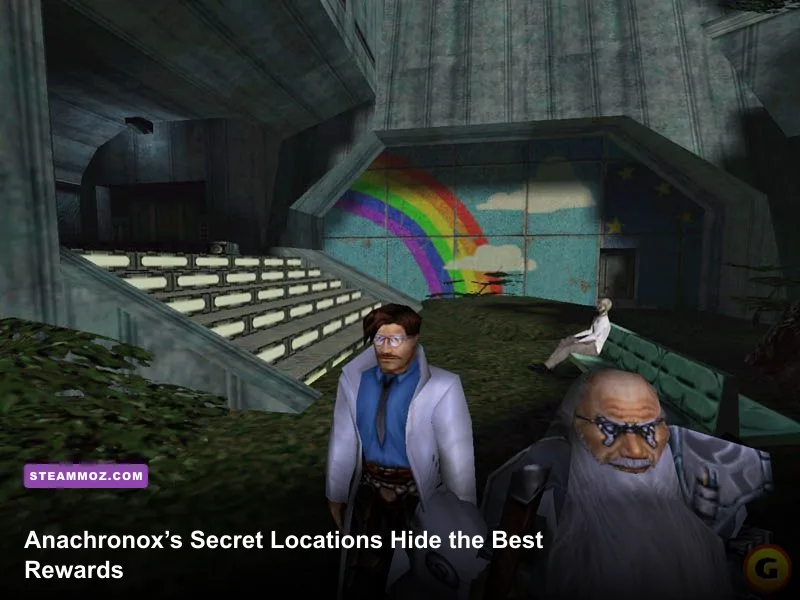
Anachronox’s best secrets are tucked into ordinary-looking rooms, optional conversations, return trips, and combat challenges rather than marked treasure chests. The most important rewards are found by checking every door in Environ and Sender Station, revisiting earlier worlds after your party expands, completing optional arena-style encounters, and exhausting dialogue with unusual NPCs before advancing the story. Save before entering any suspicious side room: some rewards are missable, while others only become available after a chapter transition.
This guide focuses on genuine optional content in Ion Storm’s 2001 RPG, not cheat codes or random inventory drops. Anachronox is built around exploration and conversation, so a “secret location” can mean a hidden room, an unadvertised encounter, a side route, or a reward triggered by speaking to the right character twice. The game’s old scripting can also behave differently depending on whether you’re playing the original release, the Steam version, or a community-patched build.
How Anachronox’s secrets actually work
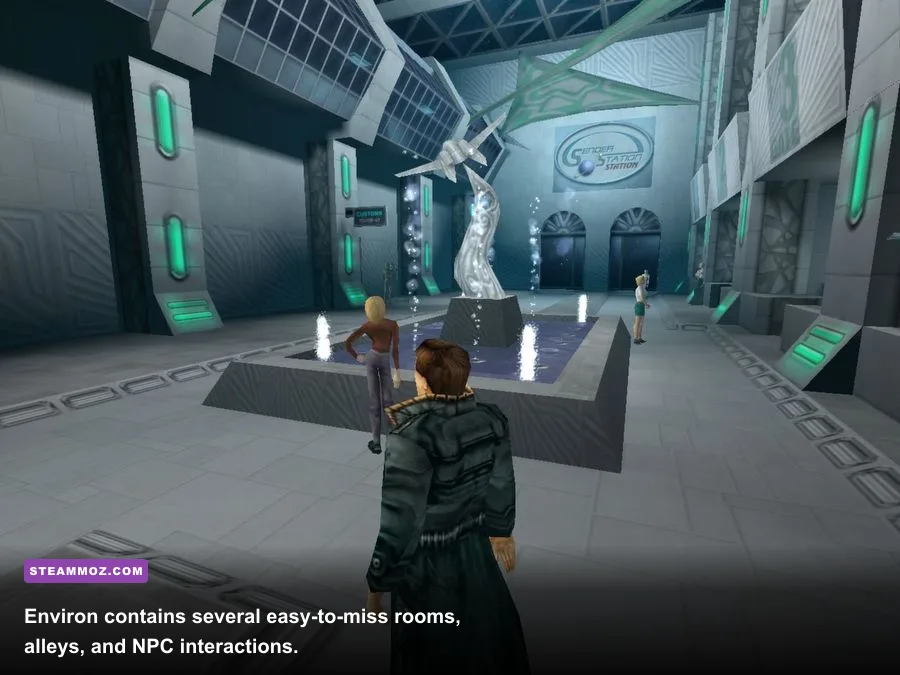
Before hunting for rewards, understand the game’s three main secret triggers. First, many doors only become usable after a story flag changes. If a doorway is locked early on, it’s worth checking again after Sly Boots recruits another party member or returns from a major world. Second, NPC dialogue is often state-based. A character may offer nothing during your first conversation, then unlock a clue or item after you complete a nearby objective.
Third, Anachronox rarely telegraphs optional content with modern quest markers. A suspicious dead end, a staircase that seems decorative, or an NPC standing away from the main crowd can be the entire clue. Use the game’s map and save system aggressively. Keep one rotating save before entering a new district, one before major story departures, and one after completing a side activity.
The game also rewards returning to hubs instead of rushing forward. Sly’s early combat limitations make exploration feel expensive, but later party members add healing, crowd control, and stronger damage types. That changes which optional encounters are practical. The safest route is to clear early conversation secrets immediately, then revisit combat-heavy areas once your party has better equipment and more reliable abilities.
| Secret trigger | What to inspect | Best timing | Typical reward |
|---|---|---|---|
| Story flag | Previously locked doors and NPCs | After every major chapter | Items, dialogue, shortcuts |
| Conversation chain | NPCs with unusual names or positions | Talk twice and after objectives | Clues, purchases, optional tasks |
| Environmental clue | Dead ends, side stairs, isolated rooms | During the first visit | Loot and lore |
| Combat challenge | Arena or optional enemy encounters | After party upgrades | Experience and equipment |

🎮 Anachronox
Looking to experience this game? Grab your digital key directly on our store for $0.97.
View on Steammoz Store →Environ’s hidden rooms and easy-to-miss rewards
Environ is the first place where Anachronox teaches you to stop following the obvious route. Search the city’s side passages before leaving for the main objective, especially around doors that appear to belong to background scenery. The important habit is simple: interact with anything that looks functional. Terminals, lifts, doors, and NPCs are more likely to matter than decorative objects.
Search the city before progressing the plot
Start near Sly’s familiar routes and sweep outward instead of jumping between objectives. Check both sides of every street, enter accessible buildings, and revisit rooms after a conversation changes the local situation. Several optional interactions are not presented as formal quests. You may receive a small item, a clue, or a joke scene rather than a dramatic reward notification, but these encounters are still part of the game’s hidden content.
Pay particular attention to NPCs who repeat unusual dialogue, characters standing alone, and anyone who becomes more animated after Sly returns from an errand. Exhaust every dialogue branch before leaving. If the conversation ends abruptly, speak to that NPC again after completing the nearest story task.
Why Environ rewards patience more than combat power
Most early secrets aren’t locked behind difficult fights. They’re locked behind your willingness to explore. That makes Environ a poor place to use a speedrun mindset. You don’t need a perfect build or a specific weapon to uncover its optional content; you need a full sweep and a few reloads if a dialogue trigger fails.
Don’t sell every low-value item immediately, either. Anachronox’s economy is forgiving, but early inventory space can tempt you to discard objects whose purpose becomes clearer later. Keep unusual quest items and anything with a distinctive name until you’re sure it’s ordinary loot. For broader classic-RPG inventory discipline, Steamoz’s Dungeon Siege review offers a useful comparison between older loot systems.
Sender Station secrets and the rewards behind side doors
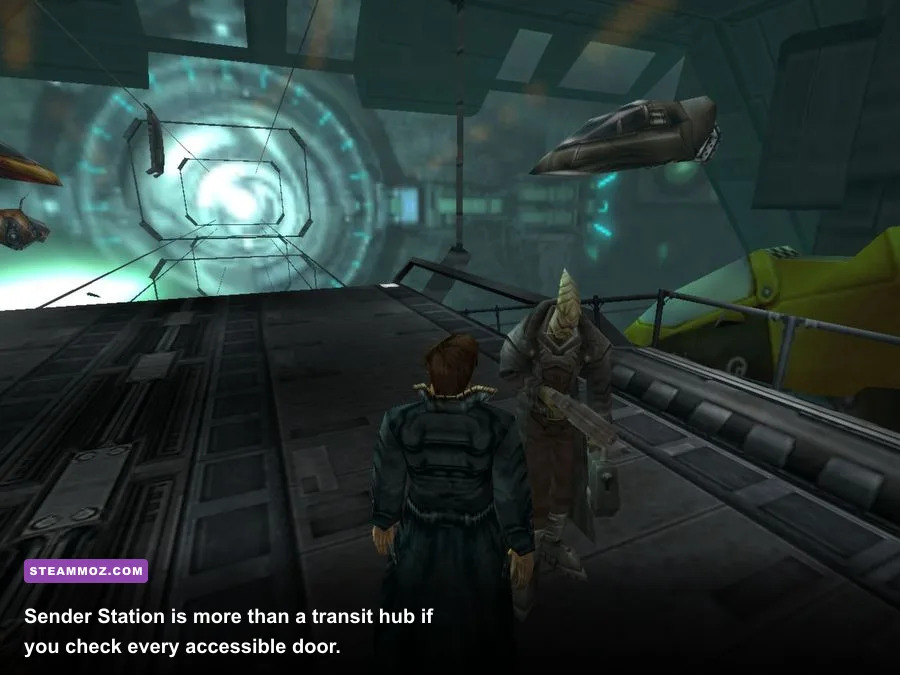
Sender Station is the game’s most reliable early exploration test. Because it functions as a hub, players often assume every room relevant to the plot is directly along the main route. That’s a mistake. Walk the station’s full perimeter, inspect side corridors, and check doors after major story events. The station is designed to make optional spaces look like harmless set dressing.
Use a door-by-door sweep
Begin at the primary landing and move in one direction, checking every accessible door before crossing to the next section. Don’t rely on visual memory; the station’s repeated architecture makes it easy to confuse a previously checked corridor with a new one. If a door is inaccessible, note its location and return after the next major party or story change.
Some station rewards are tied to interaction rather than discovery. Talk to merchants and service NPCs even when their dialogue appears unchanged. A new party member, a completed objective, or a return from another world can refresh their options. This is also where it pays to revisit vendors instead of buying the first upgrade you can afford. Compare weapon damage, utility, and character compatibility before spending scarce money.
| Sender Station task | Common mistake | Better approach | Reward value |
|---|---|---|---|
| Inspect side corridors | Following only objective markers | Walk the outer perimeter first | Medium: loot and lore |
| Recheck locked doors | Assuming they never open | Return after story flags | High when a shortcut or item appears |
| Revisit vendors | Buying the first affordable weapon | Compare party compatibility | High for early progression |
| Repeat NPC conversations | Leaving after one dialogue box | Talk again after objectives | Variable: clues or optional scenes |
Sender Station is also a smart place to prepare for optional battles. Stock healing items, repair equipment, and spend experience before entering a suspicious route. Anachronox’s combat is turn-based and relatively forgiving when you control tempo, but a badly equipped party can burn through resources before the reward becomes worthwhile.
Democratus and the secrets hidden in conversation
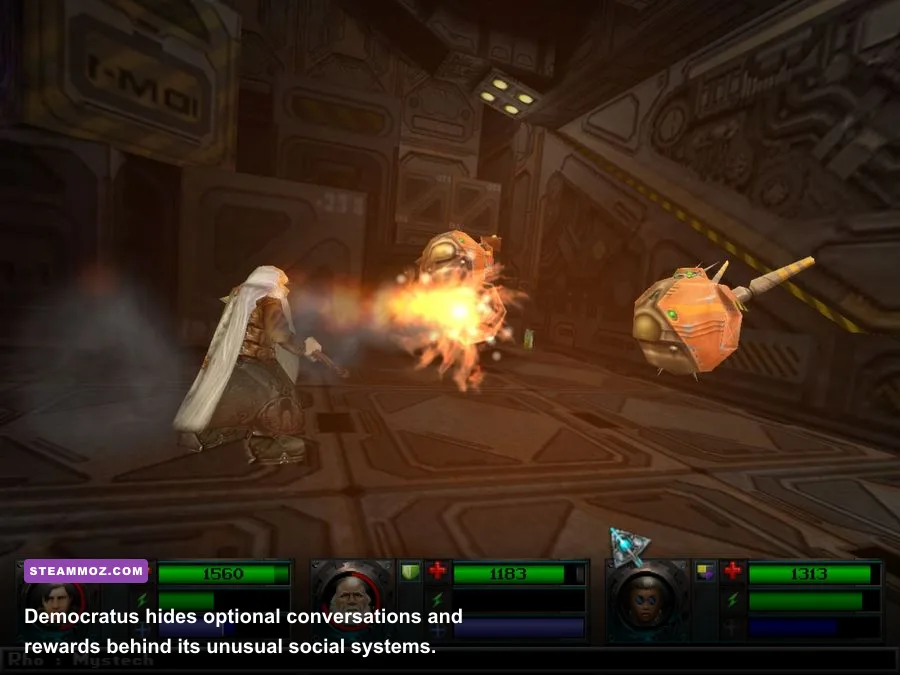
Democratus hides more content in social interactions than in obvious treasure rooms. Its strange political structure can make NPC conversations feel like comedy rather than progression, but several exchanges matter. Speak with characters in public areas, then return after completing the local objective. Don’t assume a character has nothing new to say because the first conversation ends with a joke.
Exhaust dialogue before leaving a district
The best method is to clear conversations in layers. First, speak to every named NPC. Second, complete the nearest objective. Third, return to those same characters and repeat the conversation. Finally, inspect nearby doors and side paths. This four-step loop catches more hidden content than randomly clicking every wall.
Keep Sly’s party intact while exploring. Certain conversations are easier to trigger when you’re not rushing through a combat transition, and the game’s party banter can change depending on who is present. If an interaction seems inert, leave the area, make a normal save, reload, and return. Old scripted games occasionally fail to update a trigger on the first pass.
Democratus is also a good place to practice resource conservation. Optional encounters can be more valuable for experience than for a single spectacular item, so don’t spend every consumable just to win quickly. Establish a rotation that uses regular attacks on weak targets, saves special abilities for clustered enemies, and keeps at least one character ready to recover the party after a bad turn.
Optional battles, arena rewards, and party preparation

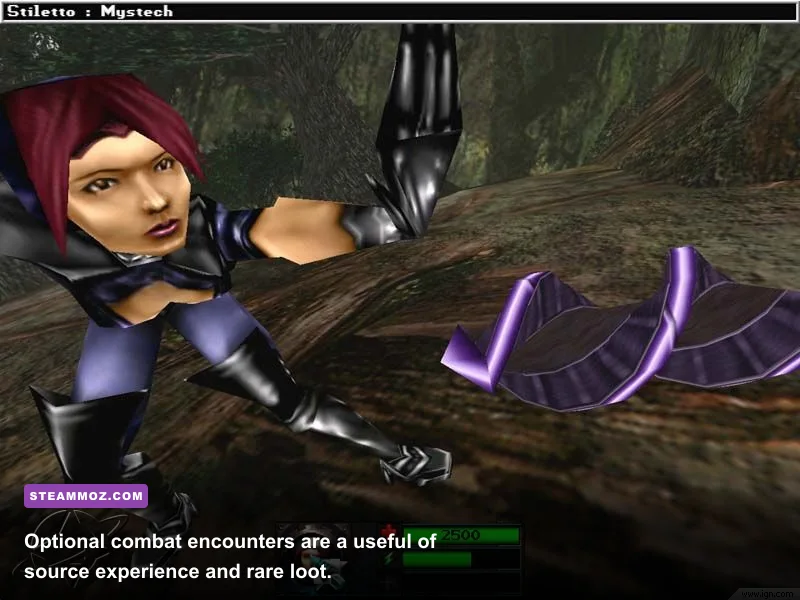
Anachronox’s optional combat content is easy to underestimate because the game doesn’t frame every challenge as a formal arena quest. If you find a suspicious combat route or an NPC who clearly wants to test the party, make a separate save and treat it as a challenge encounter. The reward may be experience, equipment, or access to an optional sequence rather than a huge loot explosion.
Build the party around control and survival
Sly Boots is your dependable damage anchor, but he shouldn’t be the only character expected to solve every fight. Grumpos brings a different combat profile and can help spread pressure, while later allies add more specialized options. The strongest general strategy is to remove one enemy quickly, disable the most dangerous target, and avoid splitting damage across an entire group.
Focus fire matters because enemy turns become more dangerous as the encounter drags on. Use normal attacks against low-health targets, reserve character abilities for enemies with strong defenses or disruptive attacks, and heal before a character reaches critical health rather than gambling on one more offensive turn. This isn’t glamorous, but it prevents the classic old-RPG disaster where one unlucky sequence forces a reload.
| Challenge situation | Primary danger | Counter strategy | Best preparation |
|---|---|---|---|
| Small enemy group | Taking damage from multiple turns | Focus fire the weakest target | Basic attacks and one reserve heal |
| Durable elite enemy | Wasting damage on low-impact turns | Use party abilities early | Full health and refreshed skills |
| Mixed enemy types | Splitting party damage | Disable the dangerous target first | Appropriate equipment for each member |
| Long optional encounter | Running out of healing items | Conserve special attacks early | Save immediately before entry |
Don’t judge a hidden battle only by its immediate loot. Experience can be the real reward because earlier level gains improve every later encounter. If the fight feels impossible, leave and return after recruiting another party member or upgrading equipment. Optional content should stretch your party, not permanently brick your campaign.
Late-game return trips and the secrets worth revisiting
The biggest mistake completionists make is treating each world as finished the moment the story moves on. Anachronox expects some backtracking. Return to Environ, Sender Station, Democratus, and other previously visited locations after the party expands or the plot changes. New abilities, new dialogue states, and newly accessible routes can turn an empty-looking room into a worthwhile stop.
Use this return-trip checklist
First, revisit every hub with merchants and compare their inventory. Second, speak to named NPCs who previously gave you a clue or refused to help. Third, inspect locked doors and elevators again. Fourth, check for optional combat routes you skipped because your party was under-equipped. Finally, clear your inventory and make sure unusual items weren’t quietly converted into quest progress.
Late-game exploration is also where you should separate genuine rewards from Easter eggs. Anachronox contains plenty of strange humor, references, and throwaway interactions. They’re worth seeing, but not every secret provides a weapon or permanent upgrade. The reward can be lore, a character moment, a shortcut, or simply the satisfaction of finding something the main route never acknowledges.
If you’re playing today, start with the official Anachronox Steam page and check the GOG release information before installing fixes. Community patches can improve compatibility, widescreen behavior, and input support, but they may also alter how old triggers behave. Keep backup saves outside the game folder so a patch or configuration change can’t erase your progress.
For more old-school RPG route planning, Steamoz’s guides to Disciples: Liberation secret locations and Din’s Curse survival tips are useful companions. The same principle applies in all three games: explore before advancing, save before optional content, and assume that an NPC with unusual dialogue is worth another conversation.
The cleanest way to find every Anachronox secret is to make exploration part of your normal route. Sweep each hub, repeat conversations after story beats, revisit locked spaces, and prepare before optional combat. You won’t need a special cheat or a perfect party build. You just need to slow down long enough to notice that the weird door in the corner is probably there for a reason.