Richter and Skif are the strongest overall characters in STALKER 2: Heart of Chornobyl, while Colonel Korshunov, Scar, and Agatha sit just below them because their influence depends heavily on faction routes and late-game choices. This 2026 tier list ranks the major named characters by story importance, quest impact, combat presence, faction influence, and how much they shape Skif’s available outcomes. It is not a damage ranking because most characters are not permanent party members, and STALKER 2 does not use a traditional companion-stat system.
The ranking also separates practical value from morality. A character can be useful, memorable, or strategically important without being trustworthy. Likewise, a character’s placement can change depending on whether you choose the Ward, Spark, Noontide, or independent path. For the complete baseline, compare this guide with the official Steam page for STALKER 2 and the latest official support updates before beginning a new 2026 playthrough.
STALKER 2 Character Tier List at a Glance
| Tier | Characters | Why they rank here |
|---|---|---|
| S-Tier | Skif, Richter | Highest story reach, consistent relevance, and strong influence over major decisions. |
| A-Tier | Scar, Colonel Korshunov, Agatha, Doctor | Major faction, lore, or route impact, although their usefulness is more conditional. |
| B-Tier | Strelok, Strider, Dalin, Varan, Solder | Important to specific chapters, factions, or revelations rather than every outcome. |
| C-Tier | Gaffer, Sidorovich, Nimble, Warlock, Uncle Lyonya | Memorable and useful in limited situations, but their direct influence is narrower. |
This list focuses on named characters who materially affect the campaign. It excludes random stalkers, unnamed faction soldiers, traders with no major narrative role, and enemies judged only by combat difficulty. If you are comparing characters for a role-playing decision, treat S-Tier as “most central,” not “morally best.”
S-Tier: Skif and Richter
1. Skif
Skif is the clear number-one character because every major system and outcome is built around him. He begins with the damaged apartment that drives him toward the Zone, survives the opening anomaly sequence, and becomes tied to the Scanner, the Noosphere, the C-Consciousness legacy, and the final faction conflict. Unlike every other character here, Skif controls exploration, weapon upgrades, artifact hunting, stealth, dialogue choices, and the ending route.
His practical strength comes from flexibility rather than a fixed statistic. A player can build Skif around the AKM-74S and extended rifle engagements, use the Viper-5 for ammunition efficiency, carry the M860 Cracker for mutants, or rely on the Dnipro and Gauss Gun during late-game fights. Armor upgrades, artifact radiation resistance, and the Technician’s equipment improvements all directly expand Skif’s options.
Skif also has the greatest narrative agency. Supporting Richter, cooperating with the Ward, helping Spark, or refusing faction pressure changes mission conversations and later access. That makes him the only character who remains equally important across every playthrough. He is S-Tier for story control, survival utility, and replay value.
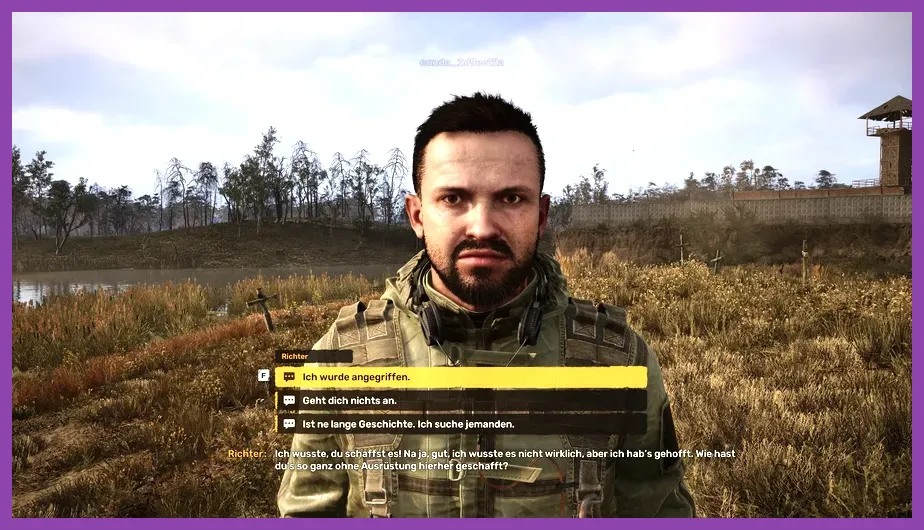
2. Richter
Richter ranks second because he is one of the Zone’s most useful guides and a dependable source of context when the main story becomes deliberately confusing. He is connected to Zalissya, understands the shifting political situation, and repeatedly helps Skif interpret events that cannot be explained by ordinary faction propaganda.
His strength is information rather than raw combat power. Richter’s dialogue gives the player a clearer sense of the Zone’s competing interests, and his presence makes several transitions feel grounded instead of purely procedural. He is especially valuable for players who want to understand the difference between the Ward’s control agenda, Spark’s resistance, and the more personal motives surrounding the Noontide group.
Richter does not become a permanent companion with a separate skill tree, so he cannot replace a shotgun or a medkit in a firefight. However, his reliability, independence, and story reach make him the best non-player character in the 2026 ranking.
A-Tier: Faction Leaders and Returning Legends
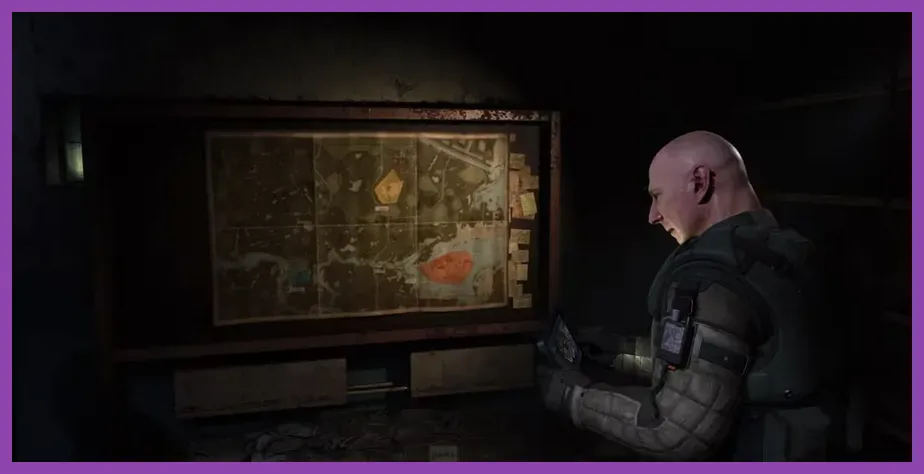
Scar
Scar is one of the most important returning faces from the original trilogy. His appearance gives Heart of Chornobyl a direct connection to Clear Sky and shows how dramatically the Zone has changed since the earlier games. Scar’s position within the Spark side of the conflict makes him a major figure for players who oppose the Ward’s attempt to impose centralized control.
He ranks below Richter because his influence is more route-dependent. Players who follow Spark-related objectives see much more of Scar’s role, while those who prioritize other alliances may experience him as a threat, an obstacle, or a source of incomplete information. His history also makes him deliberately difficult to read: he is not simply a returning hero, and the Zone has clearly altered his priorities.
Colonel Korshunov
Colonel Korshunov is the most significant Ward representative in the campaign. He embodies the faction’s belief that the Zone must be contained, monitored, and controlled rather than left to stalkers and independent researchers. His authority affects military operations, faction pressure, and the tone of several major missions.
Korshunov is an A-Tier character because his decisions can change how Skif approaches important areas and conversations. He is also valuable as a political counterweight to Scar. Where Scar represents resistance and personal history, Korshunov represents institutional power. His rank, resources, and access to Ward facilities make him one of the most consequential people Skif can deal with.
Agatha
Agatha has less direct field presence than Skif or Korshunov, but her political importance is substantial. She is associated with the Ward’s leadership structure and helps explain why the faction treats the Zone as a strategic problem instead of a collection of supernatural mysteries. Her conversations provide the clearest view of the bureaucratic logic behind Ward operations.
Agatha ranks A-Tier rather than S-Tier because her effect is concentrated in particular story decisions. She is still essential for understanding the Ward route, especially if you are tracking how dialogue choices affect faction relationships and the eventual ending. Players who ignore the Ward will naturally see less of her influence.
Doctor
Doctor remains an important lore figure because he connects the modern campaign to the Zone’s older mysteries and to the Strelok storyline. His medical knowledge, history, and guarded statements make him more than another quest contact. He helps establish that survival in the Zone is not only about ammunition and artifacts; it is also about understanding what the environment has done to people.
Doctor sits at the bottom of A-Tier because his importance is thematic and investigative rather than mechanical. He does not provide Skif with a permanent combat advantage, but the information surrounding him changes how the player reads the campaign’s scientific and psychological elements.
B-Tier: Critical in Specific Story Routes
Strelok
Strelok is one of the trilogy’s defining figures, and his presence gives Heart of Chornobyl enormous historical weight. His earlier journey uncovered the truth behind the Zone’s deepest mysteries, making him a reference point for anyone studying the Noosphere, the C-Consciousness, or the consequences of the first games.
He ranks B-Tier only because his direct influence is concentrated in the later narrative. Strelok is vital to the campaign’s backstory and eventual interpretation, but he does not guide every early decision or function as a universal quest resource. New players may appreciate his role more after completing the original trilogy.
Strider
Strider is closely tied to Noontide and to the former Monolith soldiers trying to survive after the destruction of their previous control structure. His character adds a human perspective to enemies and factions that the older games often presented as purely hostile. He is especially relevant when the campaign asks whether people shaped by the Zone can recover their identity.
Strider’s placement changes depending on your choices. For players following Noontide objectives, he can feel like an A-Tier figure. Across the complete campaign, however, his route-specific presence makes B-Tier the more accurate position.
Dalin
Dalin represents the scientific and institutional side of the Zone. His work connects the main story to research, containment, and the attempt to convert abnormal phenomena into something that can be measured or controlled. He is important whenever the narrative shifts from survival horror toward scientific explanation.
His limitation is that Dalin’s influence is tied to the research thread rather than to every faction’s objectives. He is a strong supporting character for lore-focused players, but his practical effect on Skif’s loadout, routes, and combat is limited.
Varan and Solder
Varan and Solder are best understood as route-specific power brokers. Their missions reinforce the Zone’s unstable economy, information trade, and faction rivalries. They may offer valuable access or context in the middle of the story, but their roles do not carry the same long-term reach as Richter, Korshunov, or Scar.
Do not judge these characters only by whether they are friendly. A hostile character can still be B-Tier if the encounter exposes a new route, reveals faction motives, or changes how you approach a later objective. Save before major negotiations, because dialogue and mission order can determine whether a character remains useful or becomes an enemy.
C-Tier: Supporting Characters and Traders
Gaffer
Gaffer is an important local figure in Zalissya and contributes to the settlement’s identity during the early and middle portions of the campaign. He represents ordinary residents trying to preserve a community while the Zone, factions, and emissions make normal life increasingly impossible.
He ranks C-Tier because his relevance is concentrated around settlement events. Protecting or assisting Zalissya can make his presence feel important, but he does not direct the central mystery or determine every ending.
Sidorovich
Sidorovich is one of the most recognizable traders in the STALKER universe. His return is valuable for continuity, and his role as a merchant reinforces the series’ established economy of weapons, ammunition, artifacts, and rumors. He is a practical contact, but he is not a major decision-maker in Skif’s central journey.
His ranking would rise for a pure trader tier list, especially for players who value dependable supplies. For an all-character story ranking, C-Tier is appropriate because his narrative influence remains narrow.
Nimble, Warlock, and Uncle Lyonya
Nimble, Warlock, and Uncle Lyonya are memorable supporting personalities who make the Zone feel populated by survivors rather than quest markers. Nimble’s reputation connects him to the older stalker culture, Warlock adds a distinct settlement contact, and Uncle Lyonya contributes local color and personal stakes.
Each character can improve a specific section of the campaign through a mission, service, or conversation, but none has sustained influence over the Noosphere conflict. Their value is strongest in world-building, atmosphere, and optional content.
How Faction Choices Change the Rankings
The biggest mistake with a STALKER 2 character tier list is treating the rankings as permanent regardless of player choices. The Ward route increases the importance of Colonel Korshunov and Agatha. The Spark route makes Scar more central. Noontide objectives elevate Strider and the characters linked to the group’s attempt to regain control of their lives. An independent approach increases the relative value of Richter because his guidance is less tied to institutional demands.
Before committing to a major faction decision, create a manual save and review your current objectives. Mission chains can close or alter other opportunities, and the game does not always announce every consequence in a simple branching menu. Keep multiple save files before operations involving Ward bases, Noontide survivors, or major settlement defenses.
Your equipment should also match the route’s combat pressure. Carry an assault rifle such as the Dnipro or AKM-74S for human opponents, a shotgun such as the M860 Cracker for close-range mutants, and enough medkits and anti-radiation drugs for extended missions. Artifacts that improve endurance or radiation resistance are more useful for long exploration sections than small damage bonuses. Upgrade weapon durability and magazine capacity at a Technician before entering a faction stronghold.
For more upgrade-focused advice, our guide to endgame build planning offers useful principles for balancing damage and survivability, while our beginner tips guide covers the same preparation mindset in another demanding action game.
Best Characters for Different Playstyles
Best overall character: Skif. He is the only choice that remains central in every story route and every combat situation. If you want maximum agency, exploration freedom, and access to different endings, Skif is unmatched.
Best guide and ally: Richter. Richter is the strongest choice for players who value context, independent advice, and a grounded view of the Zone’s factions. He is less ideological than many other contacts.
Best faction leader: Colonel Korshunov. His authority, military resources, and influence over Ward operations make him the most powerful institutional figure in the story. That does not make him trustworthy, but it makes him impossible to ignore.
Best returning character: Scar. Scar’s connection to Clear Sky gives him the strongest bridge to the earlier games. His route is particularly rewarding for veteran players who remember the Great Swamps and the faction conflict from 2011.
Best lore character: Doctor. Doctor’s history and knowledge help connect the scientific, psychological, and supernatural layers of the Zone. He is not a combat companion, but he is essential for understanding the campaign’s deeper questions.
Best settlement character: Gaffer. Gaffer represents the human cost of living in the Zone. His importance rises sharply during Zalissya-related objectives, where protecting a community matters more than chasing the next artifact.
For a clean 2026 playthrough, prioritize Richter’s early information, keep separate saves before faction commitments, and avoid killing named characters unless a mission explicitly requires it. STALKER 2 rewards patience: listen to dialogue, inspect PDA notes, search bodies for documents, and revisit traders after emissions or major story transitions. The strongest characters are not always the loudest ones, and the best outcome often comes from preserving options rather than rushing toward a single alliance.
Players who enjoy ranking systems can also compare this format with Steamoz’s Portal 2 character tier list and our solo-player class guide. For technical preparation, use the official STALKER 2 website for current patches, news, and platform information before starting a fresh save.