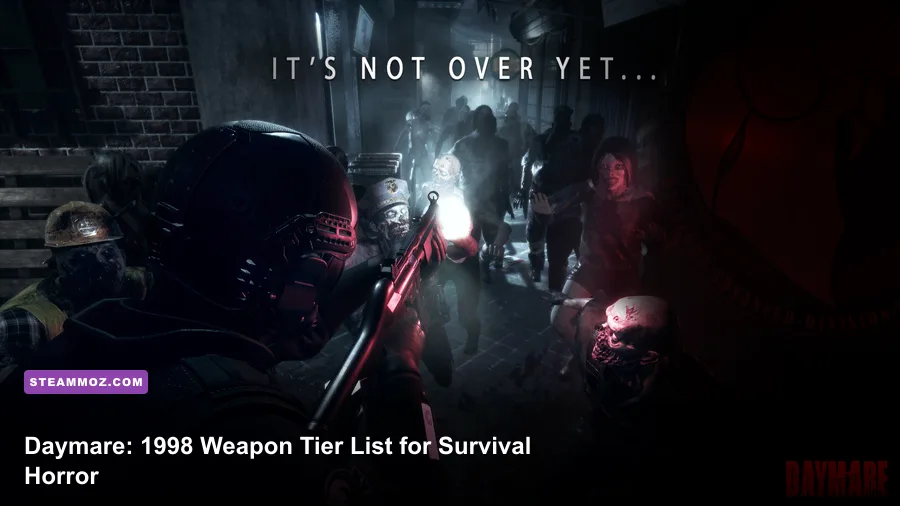
The best overall loadout in Daymare: 1998 is the handgun for routine enemies, the shotgun for panic situations, and the magnum for bosses or armored targets. The assault rifle is the strongest general-purpose weapon when ammunition is plentiful, while the crossbow is a specialist pick rather than a universal upgrade. Because Daymare: 1998 does not present a clean numerical damage sheet for every firearm, this ranking weighs practical damage, stun potential, reload risk, ammunition economy, effective range, and how well each weapon handles the game's infected enemies.
That distinction matters. This isn't an arena shooter where the most powerful gun should be fired whenever something moves. Daymare's cramped corridors, slow inventory management, limited saves, and aggressive creatures punish waste. A weapon that kills quickly but consumes rare rounds can be worse than the humble pistol if you're trying to reach the next safe room with enough supplies for a boss.
The guide below applies across Liev, Raven, and Samuel's campaigns, though each character's route and available equipment can change the feel of a weapon. Before starting, check the official Steam listing for Daymare: 1998 and keep in mind that patches and platform versions can affect handling details. For broader survival-horror resource habits, our advice on progressing through Decay: The Mare is also surprisingly relevant: explore first, spend second.
The Daymare: 1998 weapon tier list

Here is the short version of the ranking. The tiers describe a weapon's total value over a full campaign, not its maximum damage in a laboratory test. The handgun lands in S-tier because it is useful almost everywhere and preserves better ammunition. The shotgun and magnum also reach S-tier, but only in the situations where their strengths matter. The assault rifle is an excellent A-tier weapon because its sustained fire is powerful, yet its ammunition economy can make it a dangerous habit.
| Weapon | Tier | Best Role | Main Strength | Main Weakness |
|---|---|---|---|---|
| Handgun | S | Routine infected | Reliable damage and economical ammunition use | Slowly removes tougher targets |
| Shotgun | S | Close-range control | High burst damage and strong stagger potential | Short effective range and risky reloads |
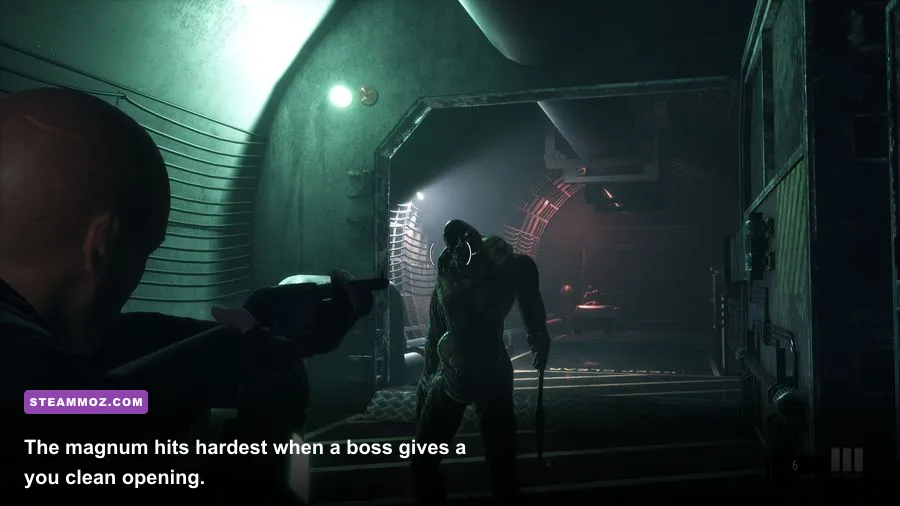
| Magnum | S | Bosses and heavy enemies | Excellent stopping power per shot | Rare ammunition and limited capacity |
| Assault Rifle | A | Groups and dangerous mid-range targets | Fast kills with automatic fire | Rapidly drains scarce rifle ammunition |
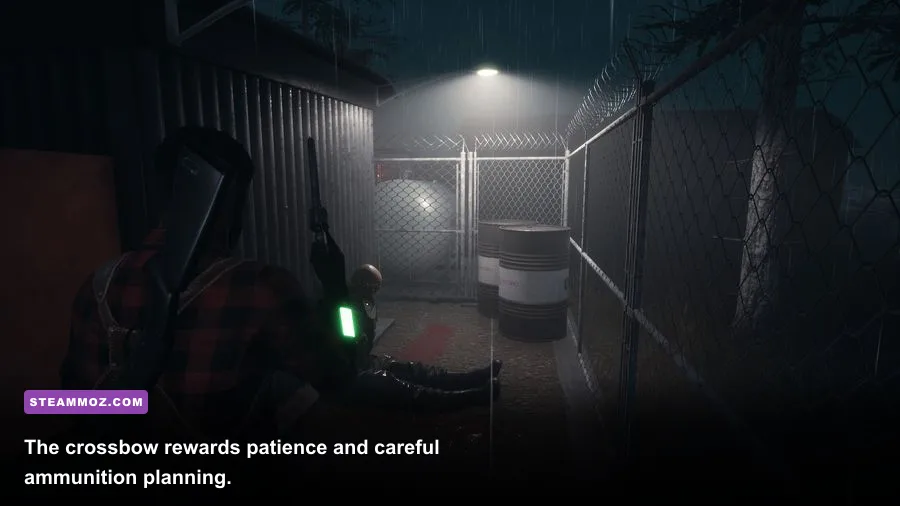
| Crossbow | B | Quiet, deliberate engagements | Useful precision tool when bolts are available | Slow follow-up shots and narrow use case |
| Grenades and explosives | B | Clusters and emergency escapes | Area damage and crowd disruption | Consumable, situational, and easy to waste |
One important caveat: Daymare's weapons don't behave like perfectly standardized competitive-shooter guns. The game is built around fixed survival-horror encounters, and hit reactions can vary according to enemy type, distance, and where the shot lands. That makes the tier list more useful as a decision-making tool than as a claim that one gun always wins.
S-tier priorities
The handgun should be in your mental loadout even when a stronger weapon is equipped. It handles isolated standard enemies, lets you conserve shotgun shells, and gives you a safe way to finish a wounded target without burning magnum ammunition. Its low commitment also makes missed shots less painful. Aim for the head when the target is stationary, but don't stand still waiting for a perfect angle if an infected enemy is already closing the gap.
The shotgun earns S-tier status because Daymare's spaces are often narrow enough for its spread to matter. A close blast can interrupt an enemy, create room for a reload, or stop a rush that would otherwise force you into a healing animation. Its weakness is obvious: at distance, pellets lose their practical value, and a poor shot can leave you trapped beside a still-living enemy. Treat it as a control weapon first and a damage weapon second.
The magnum is your premium answer to high-health threats. It delivers the kind of single-shot impact that makes scarce ammunition worthwhile during boss openings, but it shouldn't be your default weapon for ordinary infected. Save rounds when the environment gives you an alternative, and check every room for ammunition before committing to a difficult encounter.

🎮 Daymare: 1998
Looking to experience this game? Grab your digital key directly on our store for $2.99.
View on Steammoz Store →How each weapon performs in real encounters

Daymare: 1998 rewards matching the tool to the enemy's behavior. Standard infected enemies are manageable with the handgun, while faster or more resilient variants demand better spacing and more decisive stopping power. The game's over-the-shoulder camera can make a hallway feel wider than it really is, so effective range is less important than whether a weapon buys you time.
Handgun: the campaign workhorse
Use the handgun for lone enemies, weakened targets, and encounters where you have a clear retreat route. Its biggest advantage is not raw firepower; it's flexibility. You can carry enough pistol ammunition to make repeated small engagements affordable, and you aren't forced to spend a precious shell every time a corpse moves.
Fire in controlled shots rather than holding the trigger or rushing your aim. If the enemy is staggered, take the opportunity to reposition instead of automatically shooting again. Daymare's healing and reload animations are vulnerable moments, so the best handgun play often looks slower than expected: shoot, back away, check the route, then shoot again.
Shotgun: the distance reset button
The shotgun is strongest when an enemy has entered your danger zone. Letting a target come close can feel reckless, but firing too early at long range wastes the weapon's real advantage. Wait until the spread can connect with the upper body, then use the stagger to move through a doorway or create enough space for a reload.
Never reload automatically in the middle of a corridor just because the weapon isn't full. Top up in a safe corner, behind a door, or after clearing the immediate room. If two enemies approach from different angles, the shotgun can save the fight, but only if you have already identified your escape line.
Assault rifle: power with a hidden price
The assault rifle is the most tempting weapon in the game. Automatic fire can shred targets and makes it easier to correct a slightly poor aim. It is especially effective when several threats are moving toward you or when a boss exposes a vulnerable section for only a short window.
Its trap is psychological. A burst that feels comfortable can consume far more ammunition than you intended. Use short bursts and release the trigger as soon as the enemy's movement changes. Spraying into a body that is already collapsing is one of the fastest ways to turn a comfortable late-game inventory into a desperate one.
Magnum: reserve damage for decisive moments
The magnum belongs in your boss plan, not your hallway routine. Its ammunition is too valuable to spend on enemies you can safely handle with the handgun or shotgun. Keep the weapon ready when a major encounter begins, learn the boss's telegraph, and fire during the recovery animation rather than trying to win a damage race.
Crossbow and explosives: specialist equipment
The crossbow is useful when you can create distance and line up a deliberate shot, but it doesn't replace the handgun. Its slower follow-up rhythm makes a miss expensive, particularly when an enemy is already inside your preferred range. Explosives are best used against clusters, doorway blockades, or moments when you need to break contact immediately. Don't throw a grenade at one isolated enemy unless that enemy is preventing a safe retreat.
| Situation | First Choice | Backup Choice | Why |
|---|---|---|---|
| One standard infected in an open room | Handgun | Crossbow | Preserves shells and high-value ammunition |
| Enemy inside melee range | Shotgun | Explosive | Creates stagger and breathing room |
| Several enemies in a narrow passage | Shotgun | Assault rifle | Controls the lane without requiring perfect aim |
| Fast or resilient enemy | Assault rifle | Shotgun | Shortens the dangerous approach window |
| Boss vulnerability phase | Magnum | Assault rifle | Converts a brief opening into meaningful damage |
| Emergency escape through a doorway | Explosive | Shotgun | Disrupts a group before the reload or heal |
Best equipment ranking and inventory priorities

A strong weapon ranking means little if your inventory is full of the wrong supplies. Daymare: 1998's equipment system is deliberately uncomfortable: ammunition types occupy space, healing items compete with weapons, and puzzle objects can block the clean loadout you wanted for a fight. Your best equipment is therefore the gear that preserves options.
S-tier equipment
Healing items are the obvious first priority. Carry enough to survive one mistake, but don't turn every minor hit into an automatic heal. Use the game's health information to judge whether you can safely continue exploring. Healing during a fight is dangerous, so clear a corner or create distance before starting the animation.
Weapon ammunition comes next, but not all ammunition deserves equal treatment. Pistol rounds are the foundation of a sustainable run. Shotgun shells are more valuable per unit because each one can prevent a melee hit. Magnum rounds should be treated as boss resources, and rifle ammunition should be spent in controlled bursts. If your inventory is crowded, consolidate stacks and move expendable items before discarding anything rare.
Key items and access tools are effectively S-tier even though they don't improve combat. Daymare frequently asks you to inspect documents, terminals, keycards, and environmental clues. Dropping a required object to carry one more magazine can create a frustrating backtrack, especially when enemies repopulate or routes are difficult to read. The inventory is part of the puzzle, not a pause menu that exists outside the game.
A-tier equipment
Explosives are A-tier because they solve problems that firearms sometimes cannot. A well-placed grenade can interrupt a group, while an explosive used near a choke point can turn a bad encounter into a clean escape. Their ranking drops only because encounters are scripted and consumables cannot be replaced on demand.
Reload-related supplies and weapon management tools also belong here. A full magazine is not automatically better than a partially loaded weapon if reloading at the wrong time gets you hit. Prepare your preferred firearm before opening a dangerous door, but don't waste ammunition topping up after every shot. The best reload is the one performed when nothing can reach you.
B-tier equipment
Low-value consumables and redundant pickups are useful, but they should not push out ammunition or healing. The same goes for novelty equipment that works only in a narrow encounter. Daymare rewards players who remember where supplies are located, so you can leave some items behind and return later rather than forcing every pickup into an already crowded inventory.
| Equipment Type | Tier | Carry Priority | Inventory Rule |
|---|---|---|---|
| Healing items | S | High | Keep enough for one serious mistake and one boss attempt |
| Pistol ammunition | S | High | Use for standard targets and conserve premium rounds |
| Shotgun shells | S | High | Reserve for close threats and forced corridors |
| Magnum ammunition | S | Very high | Save for bosses and targets that resist ordinary weapons |
| Access cards and quest items | S | Mandatory | Never discard without confirming the item is no longer needed |
| Explosives | A | Medium | Hold for groups, ambushes, and emergency exits |
| Rifle ammunition | A | Medium | Use bursts; avoid automatic fire on weak enemies |
| Crossbow bolts | B | Situational | Carry when you expect controlled long-range encounters |
Best weapon combinations for Liev, Raven, and Samuel
The three playable characters don't turn Daymare into three radically different combat games, but their routes create different pressure points. Liev's military background makes an assault-rifle mindset feel natural, Raven's sections often reward cautious room clearing, and Samuel's campaign can make resource discipline especially important. Those are playstyle tendencies, not permission to waste ammunition.
Liev: controlled aggression
Pair the assault rifle with the handgun, using automatic fire only when a target's approach or a group justifies it. Liev is a good fit for players who like to end encounters quickly, but the correct rhythm is still burst, reposition, burst. Keep the shotgun available for anything that slips through the rifle's effective space.
Raven: precision and spacing
Raven benefits from a handgun-first setup with the shotgun as an emergency tool. Clear isolated enemies economically, inspect corners before moving, and avoid turning every room into a close-range fight. If you prefer deliberate play, the crossbow can supplement this approach, but it should never replace the firearm you trust when a surprise encounter begins.
Samuel: conservation before firepower
Samuel's best approach is to treat every ordinary enemy as a resource puzzle. Use the handgun where possible, keep shotgun shells for enemies that threaten your route, and carry the magnum only when you can identify a likely high-value encounter. The strongest Samuel loadout is often the one that arrives at the boss with ammunition intact rather than the one that produced the fastest hallway clear.
Across all three characters, the same two-weapon core remains excellent: handgun plus shotgun. Add the magnum when a boss or heavy target is approaching, and bring the assault rifle when the chapter is clearly supplying rifle ammunition. This flexible setup also reduces inventory clutter, which matters more than having every available weapon on your quick-access wheel.
Boss preparation, aim control, and ammunition economy
Boss fights are where the tier list becomes practical. Before entering a major arena, reload the weapon you expect to use, heal before you're in critical condition, and identify which ammunition type you can afford to spend. Don't empty the assault rifle simply because a boss is visible. Watch the attack telegraph, evade first, then fire during the recovery window.
For most high-health encounters, the magnum is the cleanest opening tool. A shot during a vulnerable animation can save more health than a longer exchange with the handgun. The shotgun is better when the boss or elite enemy forces close quarters, especially if a blast can interrupt an incoming attack. The assault rifle shines when the target exposes a weak point for several seconds and you can maintain a stable angle.
Movement is just as important as weapon choice. Backpedaling in a straight line is dangerous because it narrows your options and can pin you against environmental clutter. Strafe around broad spaces, memorize the location of doors and corners, and don't reload while an enemy has a direct path to you. If you must reload, create distance first with a shotgun blast or explosive.
| Combat Problem | Best Response | Common Mistake | Correction |
|---|---|---|---|
| Boss begins a charge | Move laterally and wait for recovery | Firing while trapped against a wall | Reserve the edge of the arena as an escape route |
| Two enemies close in | Shotgun blast or explosive | Trying to headshot both with the handgun | Break the formation before aiming for efficiency |
| Rifle magazine is nearly empty | Swap to handgun in a safe moment | Reloading while threatened | Finish the current target, then reload behind cover |
| Health is low near a checkpoint | Heal before opening the next route | Saving every healing item indefinitely | Spend supplies when one hit could end the run |
| Ammo seems insufficient | Recheck rooms and solve nearby exploration tasks | Using magnum rounds on ordinary infected | Return to handgun and reserve premium ammunition |
For performance, a stable frame rate helps more than chasing maximum visual quality. Daymare: 1998's dark interiors and over-the-shoulder aiming make consistent input valuable during a close-range stagger. On PC, start with textures at high if your graphics memory allows it, then lower shadows and post-processing before sacrificing resolution. The Dragonkin settings guide covers the same practical order of operations, while our PC performance breakdown explains why stable frame pacing matters even in less demanding games.
Finally, don't confuse a clean kill with a good decision. If an enemy can be bypassed safely, leaving it alive may preserve more ammunition than any perfect headshot. Use the official Invader Studios website for developer information and the Steam community hub for platform-specific reports, but the core rule remains unchanged: handgun for economy, shotgun for control, magnum for decisive damage, and rifle fire only when the situation earns it.
That is why this Daymare: 1998 weapon tier list puts three guns in S-tier for different reasons. The handgun wins the campaign marathon, the shotgun wins the corridor panic, and the magnum wins the moments where a boss gives you only one chance. Build around those jobs, protect your inventory space, and the game's nastiest encounters become tense instead of wasteful.