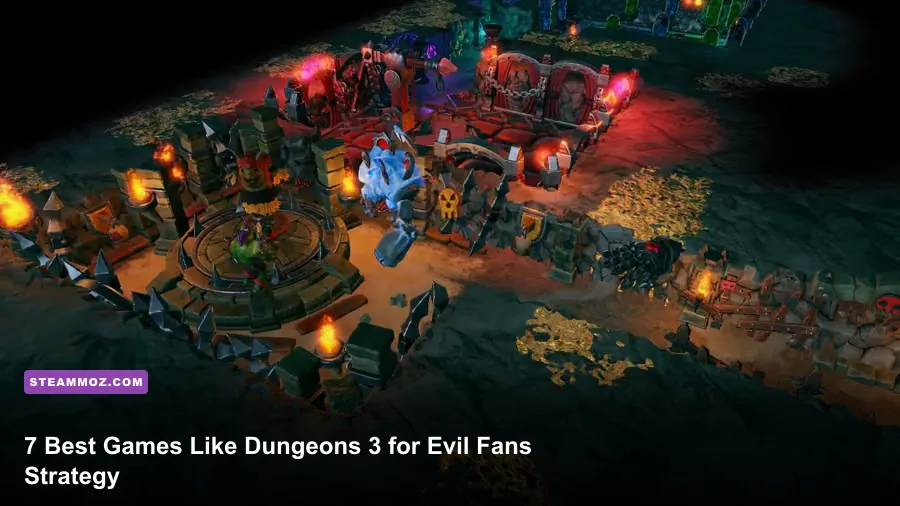
If Dungeons 3's mix of room construction, minion management, traps, and real-time combat still has you hooked, start with War for the Overworld, then play Dungeons 4, Evil Genius 2, KeeperRL, Dungeon Keeper 2, Empires of the Undergrowth, and Dungeons 2. Each captures a different part of Kalypso's formula, from dungeon economy and creature happiness to campaign-scale villainy and chaotic tactical battles.
Dungeons 3 is unusually hard to replace because it isn't just a base builder. You dig rooms, place a Dungeon Heart, train creatures, research evil powers, and then personally drag units into battle as Thalya. Its 20-mission campaign, skirmishes, and map-focused expansions reward players who enjoy planning a functional lair before unleashing an army. The seven alternatives below are ranked for how closely they recreate that loop in 2026, not simply for whether they happen to feature monsters underground.
The Quick Ranking for Dungeons 3 Players

There are two kinds of Dungeons 3 fans: players who want a more polished modern sequel and players who want the original Dungeon Keeper blueprint with fewer jokes. The table makes that split clear. Dungeons 4 is the easiest recommendation, but War for the Overworld is the better pick if you care about room efficiency, creature needs, and defensive architecture.
| Game | Best For | Core Similarity | 2026 Verdict |
|---|---|---|---|
| Dungeons 4 | Modern campaign players | Rooms, creatures, spells, surface raids | S-Tier sequel |
| War for the Overworld | Deep dungeon management | Dungeon Heart, traps, creature needs | S-Tier strategy pick |
| Evil Genius 2 | Base-building supervillains | Minion jobs, rooms, traps, world map | A-Tier alternative |
| Dungeon Keeper 2 | Classic genre purists | Direct Keeper-style dungeon control | A-Tier classic |
| Empires of the Undergrowth | Logistics and colony pressure | Excavation, worker roles, hostile invasions | A-Tier left-field pick |
| KeeperRL | Emergent sandbox stories | Rooms, minions, heroes, fortress defense | B-Tier niche favorite |
| Dungeons 2 | Shorter, lighter campaigns | Dungeon rooms and overworld conquest | B-Tier predecessor |
For a direct comparison with the older series, Steamoz's Dungeons 2 weapon tier list and fastest leveling route are worth reading before you return to the earlier game.
🎮 Dungeons 3 - A Multitude of Maps
Looking to experience this game? Grab your digital key directly on our store for $2.24.
View on Steammoz Store →1. Dungeons 4 Is the Obvious Next Step
Dungeons 4 on Steam is the closest modern answer to the search for the best games like Dungeons 3. It keeps the two-layer structure intact: dig out an underground base, then march the Horde across the overworld to smash good-aligned settlements. The Absolute Evil returns, while the Dungeon Lord's forces gain more room types, more upgrade paths, and a larger strategic footprint.
The critical difference is scale. Dungeons 4 can feel less cramped than its predecessor, but that extra space creates a new problem: inefficient corridors waste time and gold. Build Treasury rooms near the Dungeon Heart, place a large Hatchery close to creature barracks, and avoid scattering workshops across multiple tunnels. Orcs, goblins, and other Horde units need to reach training and recovery rooms quickly; a beautiful lair with bad pathing is still a losing lair.
Its campaign is also more forgiving than the old game's nastier mission spikes. That makes it the best choice for players who want the Dungeons 3 personality, narrator, and slapstick without relearning the fundamentals. Steamoz's Dungeons 4 DLC secrets guide is especially useful once optional objectives begin hiding rewards behind unusual map routes.
2. War for the Overworld Is the Best Pure Dungeon Sim
War for the Overworld is the recommendation for anyone who thinks Dungeons 3 sometimes prioritizes comedy over simulation. Its Dungeon Core is the heart of your fortress, and every claimed tile matters. Rooms require specific dimensions and workers, creatures have needs, and the map's geometry determines whether heroes reach your treasury before your defenders do.
The Empire faction creates the most familiar campaign rhythm: heroes invade, your minions respond, and traps buy time while combat units assemble. But the game goes deeper with creature management. Units aren't just interchangeable damage sources; their jobs, morale, and room access affect the speed and quality of your economy. A Barracks placed too far from the front line can turn a winnable attack into a corridor-by-corridor retreat.
Its combat is less hands-on than Thalya's direct battlefield control, yet the pre-fight planning is stronger. Layer a Guard Room behind a narrow chokepoint, use Bile Demons or ranged units to punish clustered heroes, and reserve your mana for emergency possession or battlefield abilities. The interface is older and the learning curve steeper, but this is the game to choose when your favorite Dungeons 3 moments involve fixing a broken dungeon layout rather than listening to the narrator.
3. Evil Genius 2 Turns the Formula Into Spy-Fi
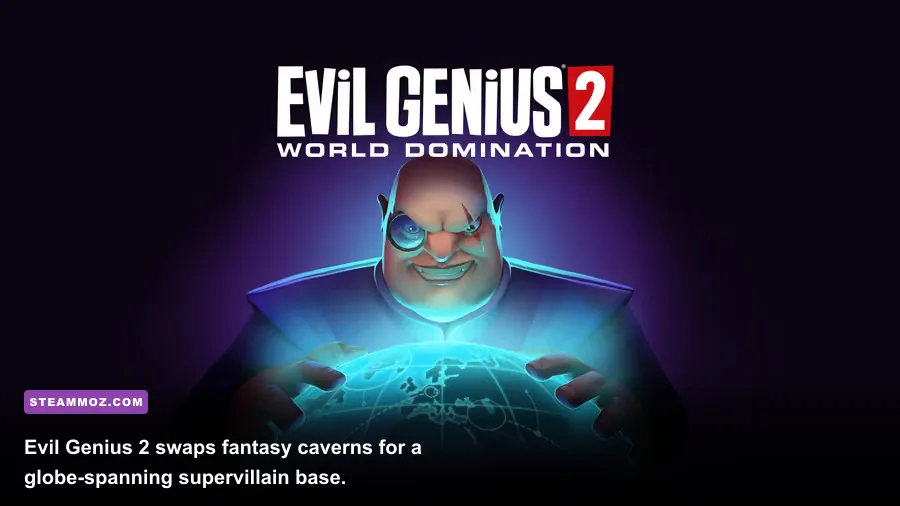
Evil Genius 2: World Domination replaces fantasy creatures with workers, scientists, guards, and technicians, but the management loop is instantly recognizable. You excavate a secret island base, assign minions to jobs, build specialized rooms, and use traps to humiliate invading agents from the Forces of Justice.
The four playable geniuses change the entire campaign. Maximilian focuses on money and minion productivity, while Red Ivan brings explosive firepower and a more aggressive approach. Each has a unique lair, Doomsday Device, and campaign map, so replayability comes from more than cosmetic variation. Research unlocks stronger rooms and devices, while the world map sends minions on schemes that generate cash, heat, and strategic advantages.
The biggest warning is that Evil Genius 2 is more about queue management than real-time tactical combat. Agents can disable cameras, steal intel, and escape before your guards arrive if corridors aren't covered by security doors, cameras, and deception rooms. Build a layered route: distract agents with casinos and social rooms, drain their Resolve with psychological traps, then let advanced guards handle the survivors. It's a superb choice if you love the “evil base as a machine” side of Dungeons 3.
4. Dungeon Keeper 2 Still Has the Meanest Design
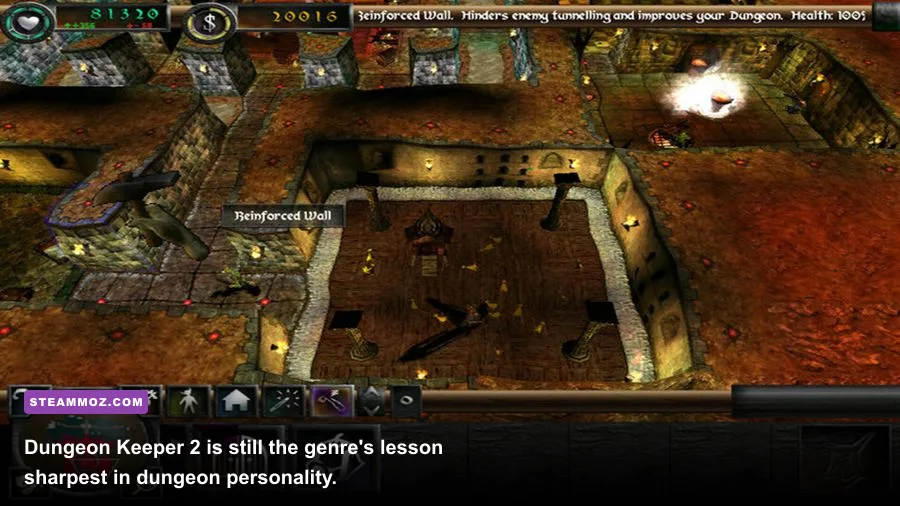
Dungeon Keeper 2 is older, rougher, and still one of the best games like Dungeons 3 because its systems are brutally clear. You dig through rock, claim territory, build rooms, and slap creatures when they refuse to work. The Dungeon Heart is vulnerable, workers need a functional economy, and heroes attack with enough force to punish lazy tunnel design.
Its iconic rooms remain the blueprint: the Hatchery feeds creatures, the Training Room improves their levels, the Library unlocks spells and rooms, and the Workshop produces traps. Every room solves a specific logistical problem. Put the Library too far from the creatures who need its research, and progression slows. Put the Workshop near the entrance, and raiders can destroy your production before you have a defensive line.
The possession system is the standout feature. Enter a creature and you experience the dungeon from its perspective, whether that means throwing fireballs as a Warlock or tearing through heroes as a Bile Demon. Combat lacks Dungeons 3's modern polish, but the feedback is immediate and the humor is sharper. Expect compatibility tweaks on modern PCs, especially with widescreen resolutions and mouse capture.
5. Empires of the Undergrowth Makes Logistics Hurt
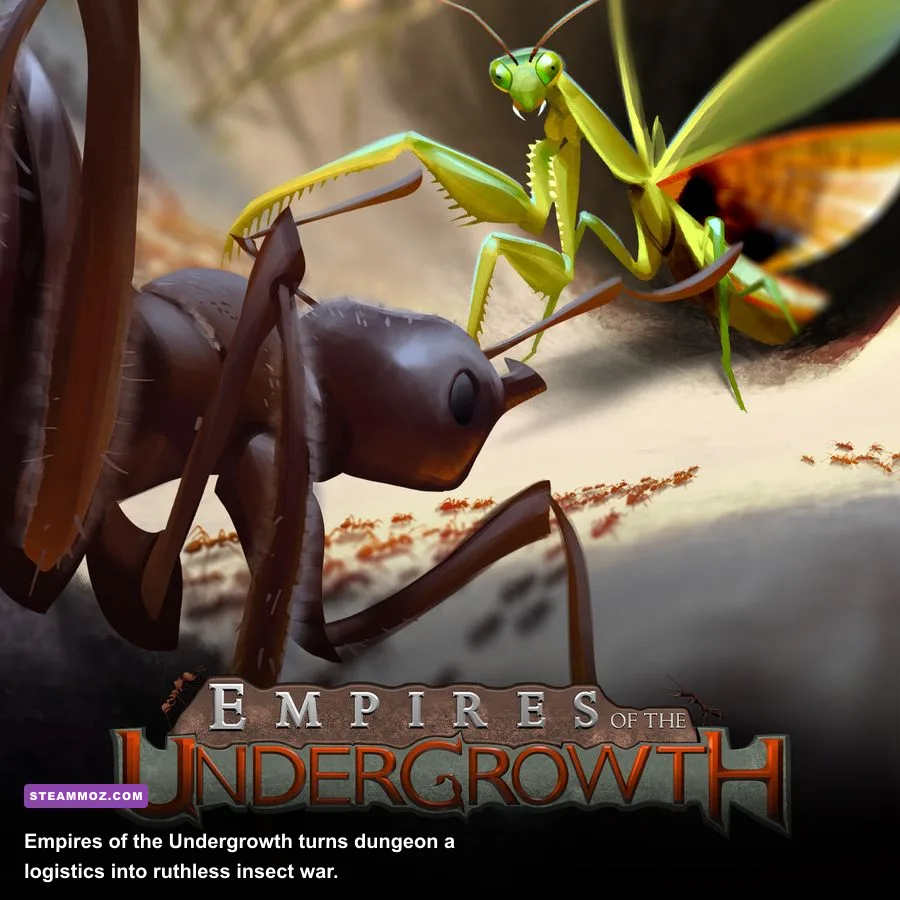
Empires of the Undergrowth is not a fantasy dungeon game, but its colony-management pressure makes it a brilliant recommendation for Dungeons 3 players who enjoy excavation and resource routing. You control an ant colony from a top-down view, carve chambers into soil, place food stores and brood rooms, and defend against spiders, beetles, rival ants, and other predators.
Different ant types create distinct tactical economies. Worker ants gather food and move larvae, soldiers occupy combat tiles, and specialized units change how you approach each scenario. Leafcutter missions add a supply chain: workers harvest leaves, carry them home, and use them to grow fungus that feeds the colony. That loop is more demanding than Dungeons 3's gold economy because a blocked tunnel or poorly protected food chamber can collapse the entire nest.
Its day-night cycle also changes the tempo. Some enemies become more dangerous after dark, while food opportunities and surface routes shift. Use pheromone markers to organize worker priorities, keep brood rooms away from exposed entrances, and build several routes instead of one central highway. The presentation is less theatrical than Dungeons 3, but the colony feels alive in a way few dungeon builders match.
6 and 7: KeeperRL and Dungeons 2 Fill the Gaps
KeeperRL is the strange, brilliant sandbox option. You design a fortress, recruit creatures, research magic, and defend against procedurally generated heroes, but its ASCII-inspired presentation and simulation-heavy rules demand patience. A vampire, goblin, or necromancer fortress plays very differently, and individual minions can become memorable survivors after repeated invasions. Don't expect a guided campaign with Dungeons 3's jokes; expect emergent stories, permanent consequences, and a fortress that can unravel because one corridor was left undefended.
Dungeons 2 is the natural historical companion. It returns with Thalya's predecessor-style campaign structure, underground rooms, creature training, and overworld missions, but its systems are simpler and its maps are generally less demanding. The Dungeon Lord's spells and creature upgrades are easy to understand, making it a good warm-up before Dungeons 3 rather than a replacement for it. Players chasing a specific build can use Steamoz's Dungeons 2 beginner build guide to avoid wasting early research.
| Game | Learning Curve | Best First Investment | Main Weakness |
|---|---|---|---|
| Dungeons 4 | Moderate | Efficient room placement | Can feel less punishing |
| War for the Overworld | High | Core defense and creature needs | Older interface |
| Evil Genius 2 | Moderate | Minion jobs and agent control | Combat is mostly automated |
| KeeperRL | Very high | Fortress chokepoints and research | Minimalist presentation |
| Dungeons 2 | Low | Gold rooms and training access | Less strategic depth |
Which Dungeons 3 Alternative Should You Play First?
Choose Dungeons 4 if you want the same two-front campaign structure with modern presentation and more room to expand. Choose War for the Overworld if you want the deepest dungeon simulation and don't mind a more demanding interface. Evil Genius 2 is perfect for players who love traps, minion schedules, and a base that operates like a carefully engineered machine. Go with Dungeon Keeper 2 for historical authenticity, Empires of the Undergrowth for punishing logistics, and KeeperRL for unpredictable fortress stories.
Before starting another campaign, revisit Steamoz's Dungeons 3: Clash of Gods tips. The best lesson carries across every game on this list: your dungeon isn't just a collection of rooms. It's a production line, a defensive weapon, and a trap-filled argument against anyone foolish enough to invade it.